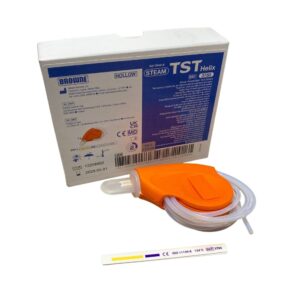
The Browne Test Soil (Edinburgh soil test) is shown to be equivalent to the Edinburgh soil described in ISO/TS 15883-5 standard. It is a simple to use test which can be applied to instruments and internal surfaces of the processing machine, enabling a quick analysis to be made of the washing systems efficacy. Single test pot.
The Browne Test Soil (Edinburgh soil test) is shown to be equivalent to the Edinburgh soil described in ISO/TS 15883-5 standard. It is a simple to use test which can be applied to instruments and internal surfaces of the processing machine, enabling a quick analysis to be made of the washing systems efficacy. Simulates a “worst-case” load. Single application pot.
Please note this is a special order due to short shelf life; allow up to a week for delivery.
ISO 15883-5 describes performance requirements of test soils used to demonstrate cleaning efficacy of a washer-disinfector. The Browne Washer-Disinfector Test Soil meets the performance requirements for a protein-based test soil specified in B.2 and is shown to be equivalent to the Edinburgh soil provided in Annex A of ISO 15883-5. It is a simple to use test which can be applied to instruments, enabling a quick analysis to be made of the washing system’s efficacy.
Browne Test Soil (Edinburgh Soil Test) Features
Simulates a worst-case load
Readily available
Easily stored
Easy to prepare
Easily reconstituted
Easily applied
Reproducible results – compared to Edinburgh Soil
Contains NO blood products – safe to use
How to use Browne Test Soil (Edinburgh soil test)
Add water to fill mark.
Stir until the mixture has an even consistency.
Leave to stand for 10 minutes
Apply the mixture liberally to test load
Leave the coated items to dry for between 30 minutes and 2 hours. Record the drying time.
Note: Longer drying times will make the soil more difficult to remove. The drying time chosen should reflect typical turnaround times from theatre to decontamination.
Process the test load in the washer disinfector.
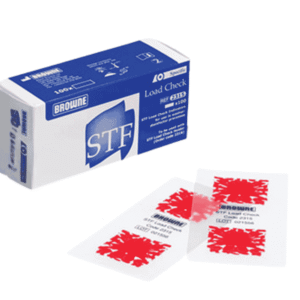
Examine the test items for residual soil. The bright red colour will stand out clearly, highlighting those areas which have not been properly cleaned.
Any remaining test soil should be disposed using normal waste disposal after the test has been completed, as reuse may impact product performance.
Possible cause of failure
Blocked jets or blocked water inlet filter to washing chamber.
Machine load restricting the free flow of water over the instruments or other items.
Initial wash temperature too high. Initial wash temperature should be less than or equal to 35°C.
Incorrect quantity or type of detergent.
Lack of detergent.
Reviews
There are no reviews yet.
Only logged in customers who have purchased this product may leave a review.
Our website uses cookies to analyse traffic, personalise advertising and show you more of what you love. Please let us know you agree to all of our cookies.


Reviews
There are no reviews yet.