
Handpiece Cleaning
How to effectively clean, disinfect and reprocess a dental handpiece.

First of all, what is the issue?
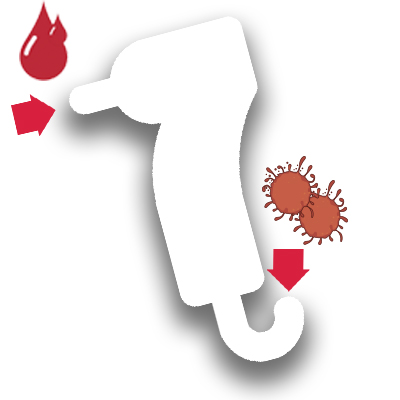
The dental handpiece is a vital part of equipment in any dental surgery. It is one that is heavily contaminated with saliva, blood products and tissue on a regular basis. It is easy to see the external contamination on a handpiece after surgery, but what is happening on the inside?
It has been demonstrated that internal contamination occurs when the treatment procedure is interrupted resulting in re-suction. Incorrectly or poorly maintained dental unit waterlines can also introduce contamination, leaving you with internal channels that are now contaminated and a potential cross infection risk.
Despite heavy usage and the potential for internal contamination, the handpiece is a difficult tool to clean and disinfect effectively. The complex internal lumen and intricate water and air channels make removing blood, protein and saliva difficult. Simply wiping the outside of the handpiece with a detergent wipe and rinsing with water will not clean the internal channels. And while oiling is essential for longevity of a handpiece, lubrication on it’s own does not remove contamination.
Issues also arise when we come to sterilising the handpiece. If no internal cleaning or disinfection has been performed, any contamination still inside the handpiece, such as blood can become “baked” into the handpiece during sterilisation. Remember if something is not clean it cannot be sterilised.
Another issue is the type of steriliser you use. A non-vacuum autoclave (Type N) is designed to sterilise solid instruments, not instruments that have lumens (handpieces), hinges or joints. If your practice is using a non-vacuum autoclave, an internal cleaning and disinfection protocol is essential.


What evidence is available?
A study in 2013 showed that handpiece contamination is an issue and poses a potential risk. Despite this, the number of practices performing any type of internal cleaning and disinfection is low.
Problems with sterilisation methods
As mentioned above, non-vacuum autoclaves are incapable of sterilising the internal components of a handpiece, as confirmed in this 2017 study. Any dental practice with a non-vacuum autoclave must be performing an internal clean and disinfection.
On the other hand, vacuum autoclaves can successfully sterilise the internal components of a handpiece. The problem with vacuum sterilisation is that sterilisation alone cannot remove blood or protein product on its own, it must be proceeded by internal cleaning and disinfection. If a surface is not clean it cannot be sterilised.
How do you clean a handpiece?
There are a few methods we can use to clean and disinfect the inside of a handpiece.
Before internal cleaning/disinfection the external part of the handpiece should be cleaned and disinfected. Remove any burs and rinse the handpiece with procedural water for 20 seconds immediately after use (this should not be a hand wash sink). Next wipe down the handpiece with a lint free, pre-soaked, non-protein fixing disinfection wipe. Plastisept Eco Wipes are ideal for this and are recommended by several handpiece manufacturers such as NSK.
Standard instrument transportation protocols apply to handpieces, transport handpieces to the decontamination room using a lockable transport box. DO NOT at any point submerge the handpiece, and NEVER place handpieces in an ultrasonic bath.
With the initial cleaning and disinfection of the external handpiece completed, we can now look our options for cleaning and disinfection inside the handpiece.
Washer Disinfector
Washer Disinfectors with a handpiece irrigation system have evidence of effectiveness, and have been shown to reduce contamination. With automatic cleaning, there are a few things to be aware of.
- Always follow manufacturers guidelines, not all handpieces are suitable for use in a washer disinfector.
- Handpieces must be placed on the handpiece stand.
- Check the pH level of your detergent. Any value over 10.5 will be too harsh and can invalidate your warranty.
- Oil the handpiece after processing in the washer disinfector, not before.
- Remember disinfection is NOT sterilisation.
Handpiece Cleaning Machines
All in one automatic handpiece machines can clean, disinfect and lubricate handpieces quickly and easily. It is important solutions are regularly topped up and correct adaptors are used.
Manual Cleaning (WL-System)
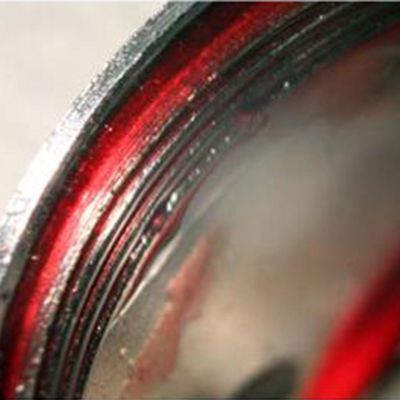
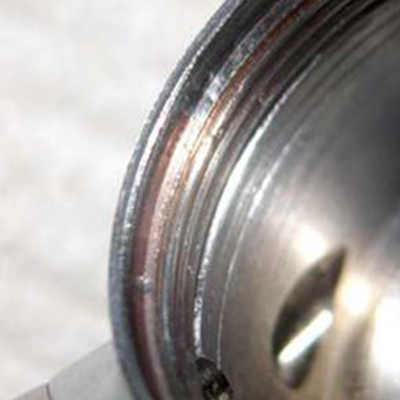
The WL system is our state of the art handpiece cleaning and disinfection system. WL will completely remove any blood or debris in the handpiece. WL-Clean cleans the internal surfaces, WL-Cid disinfects with broad-spectrum antimicrobial activity (including any enveloped viruses such as coronavirus), finally WL-Dry blows out any leftover solution or tissue ready for lubrication with an oiling solution.
The WL system has excellent material compatibility and is approved by all major handpiece manufacturers and will not invalidate any warranty. Approved by:
- NSK
- KaVo
- W & H
- SciCan
- Sirona
Why is this important?
Contaminated handpieces are a potential transmission risk for several diseases, including blood-borne diseases such as HIV. Evidence continues to emerge regarding flaws in current handpiece reprocessing methods. Adopting a handpiece internal cleaning and disinfection protocol will future-proof your practice and protect your staff and patients.
A benefit for practices is reduced maintenance cost for handpieces. Handpieces are intricate devices, any foreign contaminants have the potential to damage your expensive handpieces. A properly maintained and clean handpiece is one that has reduced maintenance costs long term.
-
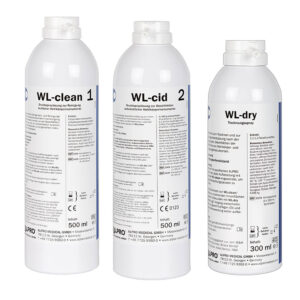
WL System Starter Kit
£187.25 Add to basket -
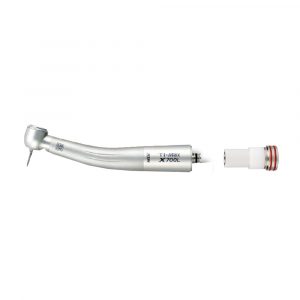
WL Handpiece Adaptors
£12.47 – £114.94Price range: £12.47 through £114.94 Select options This product has multiple variants. The options may be chosen on the product page -
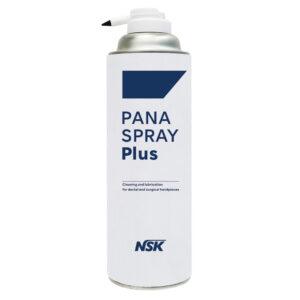
PANA SPRAY Plus 500ml
£37.56 – £203.42Price range: £37.56 through £203.42 Select options This product has multiple variants. The options may be chosen on the product page -
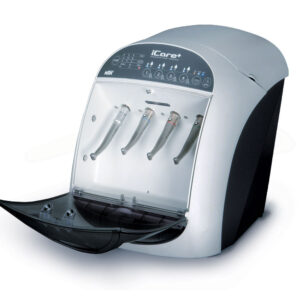
iCare+ Automated Handpiece Maintenance System
£6,859.63 Add to basket
Need help with handpieces?
Getting started with handpiece cleaning and disinfection can be daunting. Our team are more than happy to help you implement the WL system in your practice. Get in touch with us below for any questions you have on handpiece cleaning, disinfection and reprocessing, or with any product advice and guidance you need.
We’re here to help!