Validation Deep-Dive – Dental Helix Test

Dental Helix Test

Share This Post

The dental helix test is an essential daily validation step for dental practices that sterilize hollow or lumened instruments, such as dental handpieces.

In this instalment of our Validation Deep-Dive series, we will take a closer look at the dental helix test, why it is used and our top tips for using helix tests.

What is the dental helix test?

The dental helix test is used to test for steam penetration in vacuum autoclaves. Steam penetration refers to the ability of steam to reach and sterilise the internal surfaces of hollow or lumened instruments, such as dental handpieces.

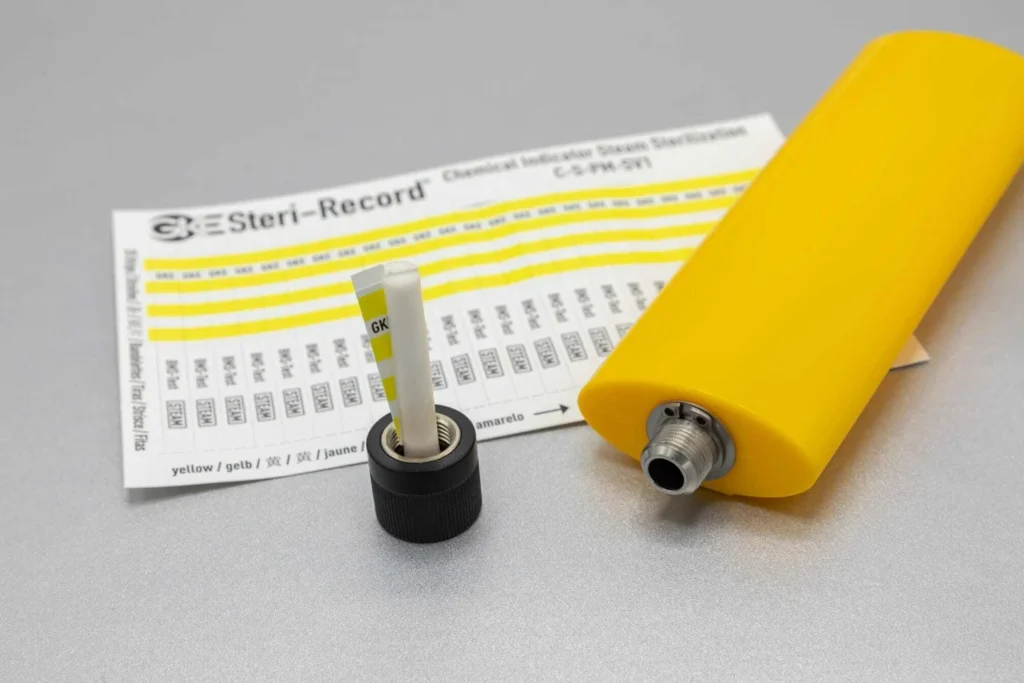
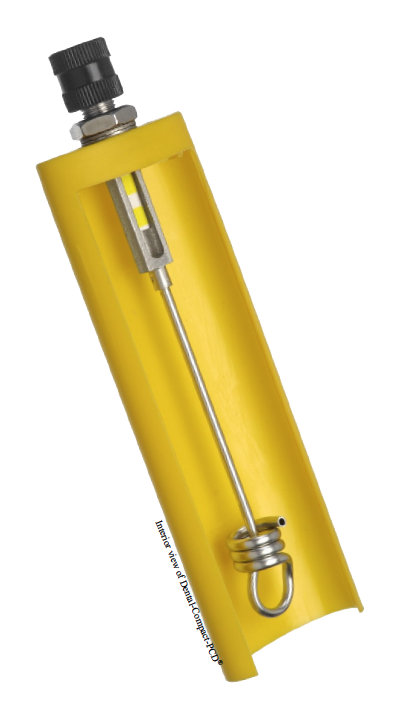
The test uses a helix device—a plastic or metal tube connected to a capsule. Inside the capsule is a Type 2 chemical indicator strip. During the test, steam must enter the tube, travel its full length, and activate the indicator. A successful result confirms that the autoclave can sterilize hollow instruments effectively.

Thus, the dental helix test proves that the autoclave can successfully sterilise any hollow instruments placed in the autoclave. 

Which autocalves are the helix test used on

The helix device is used on B-type and S-type vacuum autoclaves. The helix test is not performed on N-type autoclaves as these autoclaves cannot sterilise lumened instruments.

How often and when should the helix test be performed?

According to HTM01-05 guidelines for B-type and S-type autoclaves, the helix test should be performed daily. It is best conducted at the start of the working day, ensuring the autoclave is functioning properly before any instruments are processed.

Device placement

As with all validation tests, placement should be as challenging as possible to ensure accurate results. Refer to the instructions provided with your helix device, as the placement recommendation may change between brands. If no guidance is available, placing it at the front of the bottom tray is generally considered one of the most demanding locations.

What to do if the test fails

In case of failure, re-run the helix test to ensure there were no false negative results. If the second test confirms a fail, contact an engineer for further investigation, do not process further loads until you have confirmation it is safe to use.

The gke dental helix test

The gke dental helix test is a premium option for autoclave validation. Manufactured in Germany with a highly durable design, it offers several unique benefits compared to other devices:

  • Exceptional durability: While most plastic devices last for around 250 cycles, the gke device lasts for up to 10,000 cycles, reducing replacement costs and waste.

  • Compliance: Specifically designed for dental loads, the gke device complies with EN ISO 17665-1 for steam penetration testing. Its Type 2 indicators are compliant with EN ISO 11140-1.

  • Convenient documentation: Indicators are self-adhesive, making it easy to record test results. Each device comes with a free logbook for organized documentation.

Subscribe to our newsletter

The latest infection control updates, special offers and a lot more!

More News

Handpiece Care

How Dental Handpieces Become Contaminated

Dental Handpieces are a critical tool used in routine and complex dental treatments. Inside the head of a high-speed handpiece, a turbine the size of
The Dental Decontamination Cycle Cleaning
Decontamination Cycle

The Dental Decontamination Cycle – Cleaning

In the dental decontamination cycle, cleaning is the critical, underpinning step. Instruments that haven’t been thoroughly cleaned cannot be reliably sterilised — organic soil and

Looking for infection control solution advice?

drop us a line To Find Out More