
Uncategorised
The Decontamination Cycle – Disinfection
In the dental decontamination cycle, disinfection is a bridging step between cleaning and sterilisation. It is commonly misunderstood and often conflated with cleaning – they

Dentistry Magazine has conducted the largest dental handpiece infection control survey ever undertaken. The results are in, and they make compelling reading, highlighting the disparities amongst dental practices in the UK.
Thank you to everyone who took part in the survey. The winner of our Amazon gift card is
Hayley Walsworth.
Congratulations Hayley!
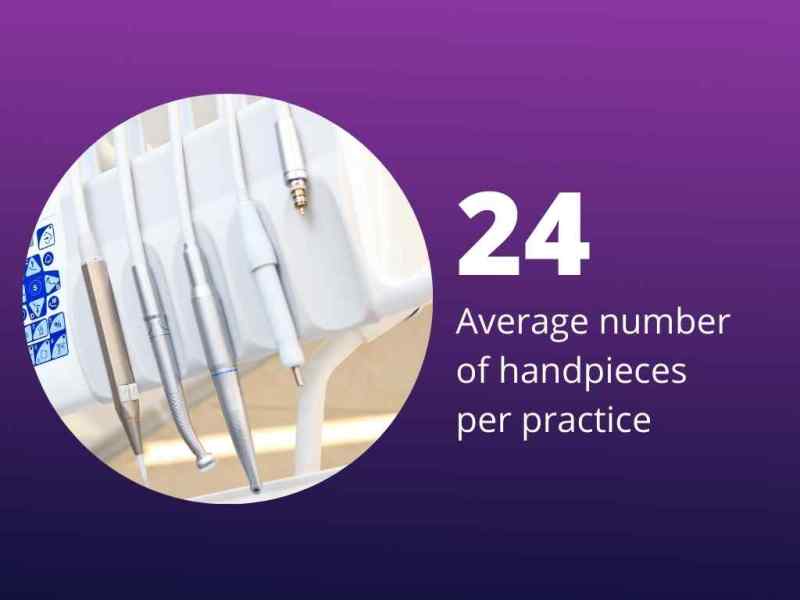
There are a lot of handpieces out there. On average, each practice that took part in the survey had 24 handpieces and each practice had just over four handpieces per dental unit.
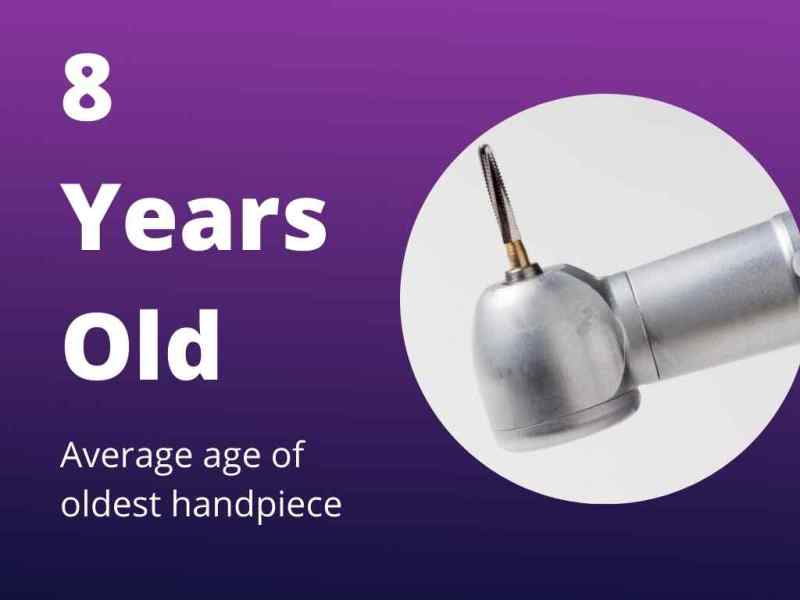
While some surgeries had invested in modern equipment, many have not and were still using old handpieces. The average age of the oldest handpiece in use was found to be a little over eight years old and many surgeries reported still using handpieces that were over 20 years old.
Interestingly, 1 in 24 respondents had no idea how old their handpieces were.
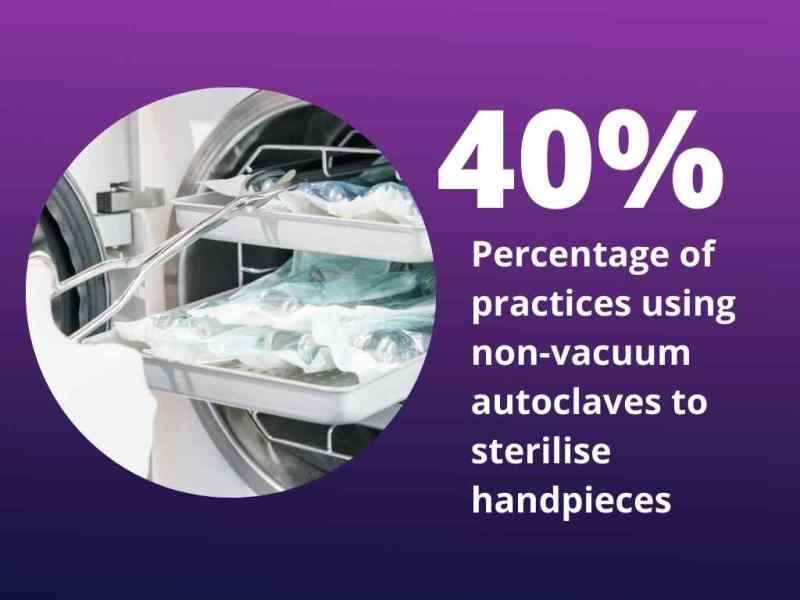
Non-vacuum autoclaves are not designed to process hollow instruments such as handpieces. Research has shown that the process is ineffective. Manufacturers recommend handpieces are sterilised in vacuum cycles. However, the survey said that a disturbing 40% of practices were using non-vacuum autoclaves.
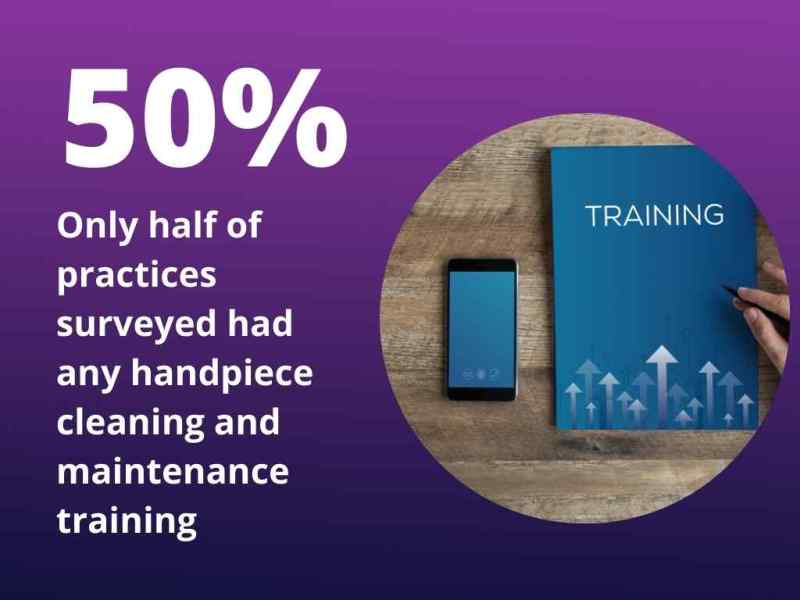
The survey highlighted a huge gap in the knowledge of effective handpiece maintenance. Only half of the practices surveyed have ever undergone handpiece maintenance training. This is despite such training being readily available.
The survey highlighted a huge demand for more information on handpiece cleaning, maintenance and protocols. Almost two thirds of respondents said they wanted to know more.
Handpieces should be repaired or serviced depending on the use amount of use they get. However, the survey showed that on average they are being sent off every two months and three weeks. With the correct maintenance, the frequency of handpieces being sent away should lessen.
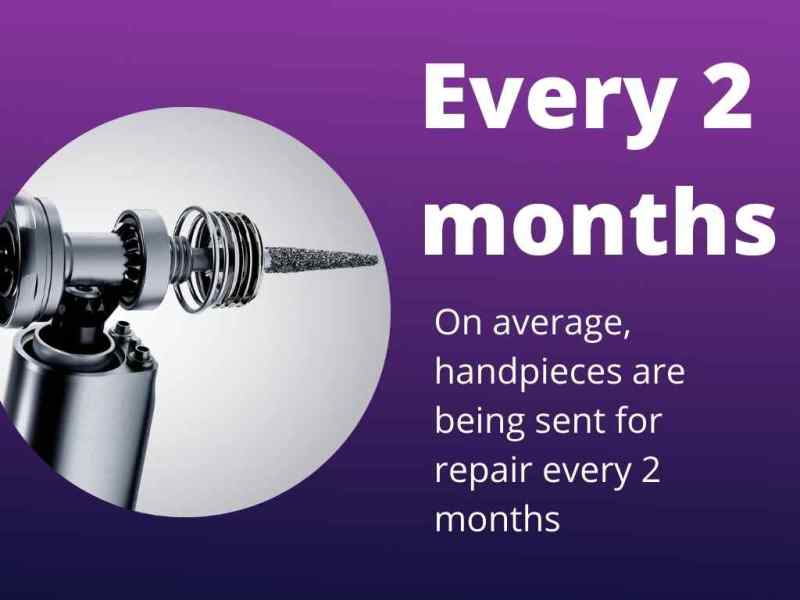
Again, there was a huge disparity amongst respondents, on this occasion in timescales. 8% of practices were sending their handpieces off monthly and 8% had never sent a handpiece away to be repaired.
One of the most effective ways to clean a handpiece internally is to use a washer-disinfector. Yet only one-third of practices use them. Space and cost have been a factor in the past, but modern design and technology have seen the development of smaller and less expensive models.
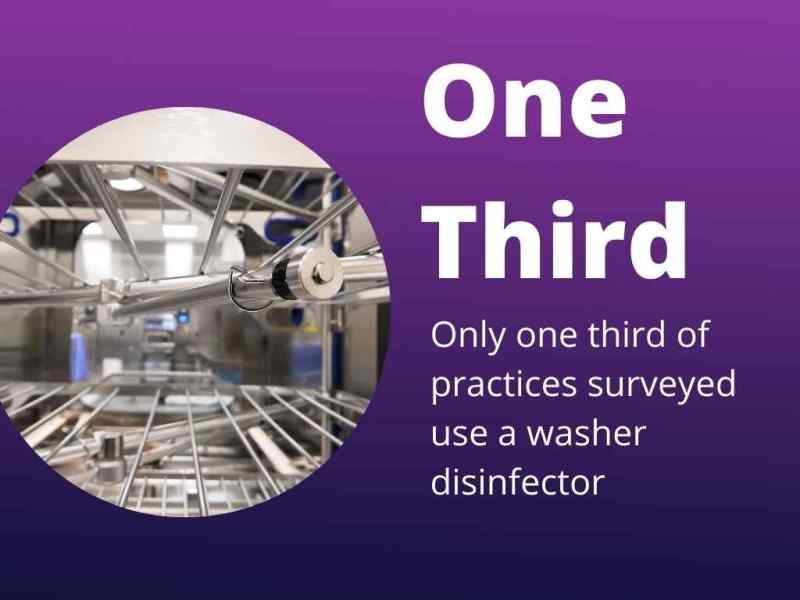
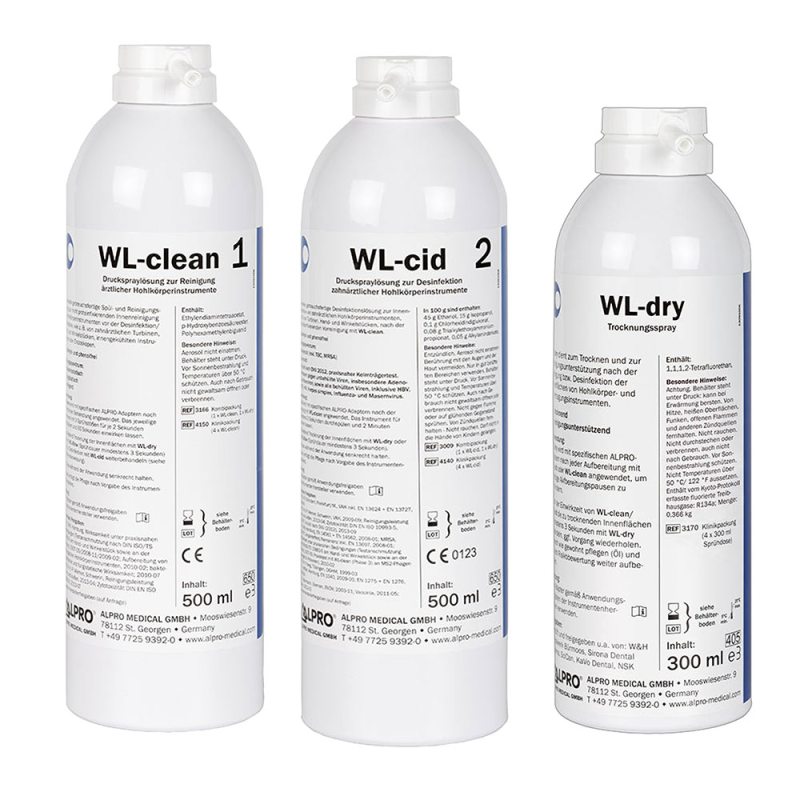
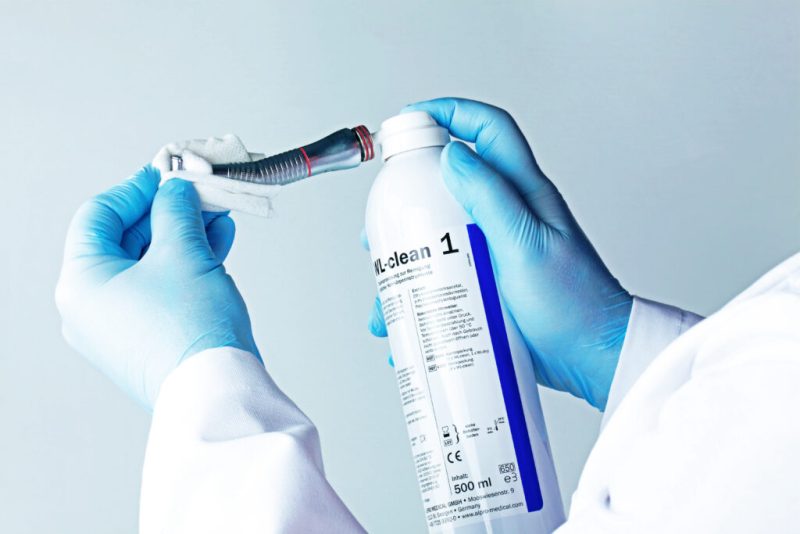
Not all handpieces can be processed in washer-disinfectors but those that can benefit from internal and external cleaning and disinfection before sterilisation. For those that can’t, a manual method using the WL system gives the same level of cleaning and disinfection.
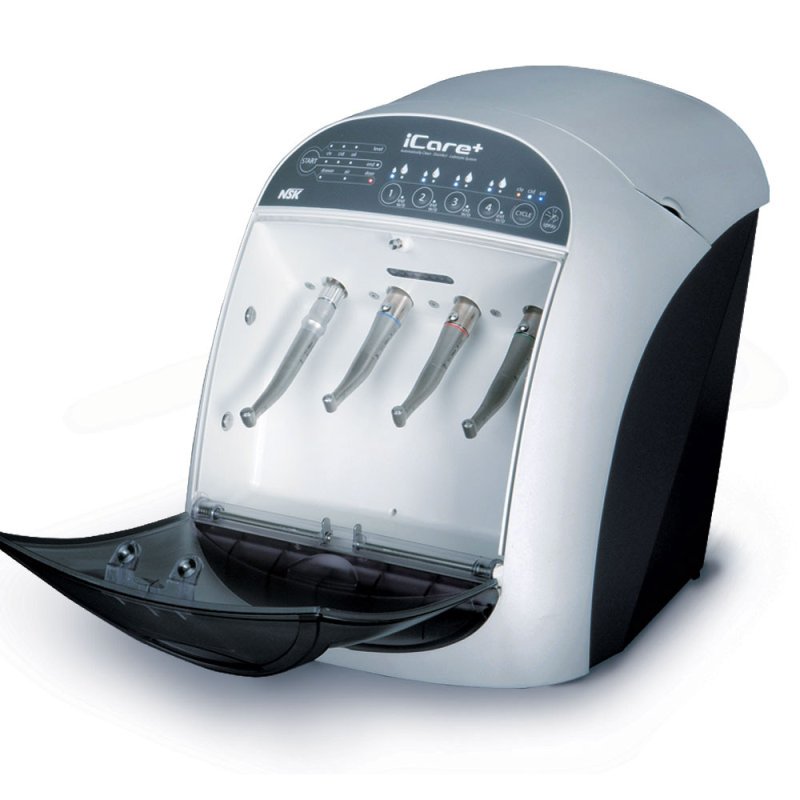
Modern automated handpiece cleaning systems are also an effective way to clean a handpiece internally. Exactly half of the practices surveyed said they used an automated handpiece cleaning system. And interestingly, such systems were perceived to offer the most effective cleaning.
The most common method of cleaning a handpiece internally was manual cleaning and disinfection via a pressurised can (not a lubricant) with almost two-thirds of practices using this method. Some practices use more than one method.
It’s fair to say that the dental industry recognises its lack of knowledge when it comes to the correct way to prevent and control infection when it comes to cleaning and maintaining that vital tool, the dental handpiece.
If you want help or need advice regarding handpiece processing, we are offering a free 30-minute review, with one of our decontamination experts.
We also offer a dedicated handpiece maintenance and reprocessing ECPD session. This session is for up to 15 members of your team and will teach you how to effectively reprocess handpieces in line with guidance.
Thank you to the hundreds of practices that took the time to complete this crucial survey which will help the industry to achieve its key aim; to protect the lives of its patients.
Thank you also to our partners;
Read the full article here.

Alex Breitenbach, managing director of NSK said: “Mechanical care and maintenance units like the iCare+ have the big advantage of guaranteeing consistency of the process. Unlike other products in the market, the NSK iCare+ move the gears of handpieces during the process which makes the procedure more effective.”
Fiona Ellwood, president and executive director of the Society of British Dental Nurses, added: “From a patient safety perspective, it is important that structured and time allocated specific training is scheduled and actioned for all team members.
“It should be part of induction and continued training and for those undertaking decontamination processes within decontamination units. It should be part of core learning and part of ECPD.”

In the dental decontamination cycle, disinfection is a bridging step between cleaning and sterilisation. It is commonly misunderstood and often conflated with cleaning – they

Dental Handpieces are a critical tool used in routine and complex dental treatments. Inside the head of a high-speed handpiece, a turbine the size of