Manual Cleaning of Dental Instruments

manual cleaning of dental instruments

Share This Post

Manual cleaning of dental instruments is still an accepted solution for cleaning dental instruments prior to further decontamination and sterilisation. The HTM01-05 requires a move to automated cleaning methods to achieve best practice, although this does not mean that manual cleaning has no place in a dental practice. This article will answer any questions you have regarding manual cleaning, and how to set up a robust manual cleaning protocol.

What is manual cleaning?

Manual cleaning of dental instruments

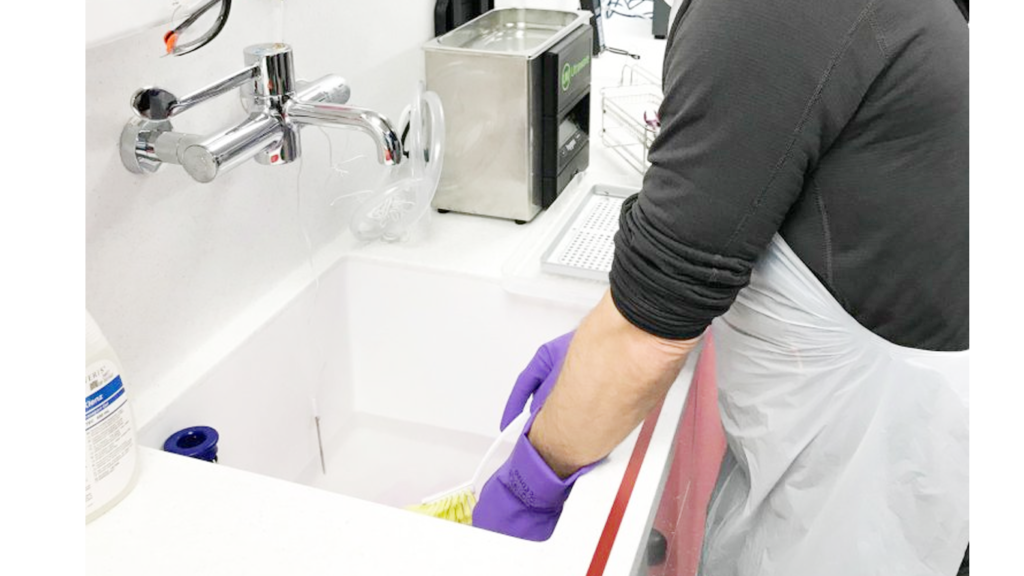
Manual cleaning as the name implies is the manual cleaning of instruments in a dedicated sink using a long-handled brush, detergent, temperature-controlled water and a bit of elbow grease. It is still a widely used method of cleaning dental instruments, usually in combination with an ultrasonic bath. It is an acceptable method under the essential quality requirements of the HTM01-05. For best practice however, the primary method of decontaminating instruments should be an automated system.

Manual cleaning, governed by an appropriate protocol, is acceptable within the essential-quality- requirements framework.

Disadvantages of manual cleaning

Due to human factors and the number of variables, manual cleaning is difficult to validate. This is why an automated system is preferred due to the repeatability of the process. In addition, manual cleaning carries the highest risk of sharp injuries for users and is not as effective at cleaning as a washer-disinfector is. 

Manual cleaning of dental instruments in a best-practice framework

Manual cleaning still has a place as part of a best practice framework (i.e a practice using a washer disinfector). 

  • Manual cleaning should be considered where the manufacturer specifies that the device is not compatible with automated processes (including ultrasonic cleaning).
  • In addition, a practice should have the ability to perform manual cleaning in case of a machine breakdown, repair or validation. 
  • Pre-washing may be helpful (for example in the removal of tenacious dental materials), such action may be appropriate before automated cleaning.

In the best practice framework, the ability to perform manual cleaning is still required, even if it is just for backup purposes.  And of course if your practice lacks a washer-disinfector, then manual cleaning can be used as part of your instrument reprocessing cycle.

HTM01-05 Requirements

The following 5 points are required under the HTM01-05.

  1. “A protocol that dictates a method and the steps within must be in place, implemented with training and followed up with audits and logbooks”
  2. “Two sinks or bowls should be used and a strict dirty to clean workflow must be maintained”
  3. “The volume of water and detergent should be measured to ensure controlled dosing”
  4. “The detergent used should be specifically formulated for manual cleaning and not a household product such as washing up liquid, cleaning creams or soap”
  5. “Chlorhexdine products MUST NOT be used such as Hibiscrub”

Setting up a manual cleaning protocol

A manual cleaning protocol helps to ensure the critical parameters are controlled in order to reduce the variability in the process and results.

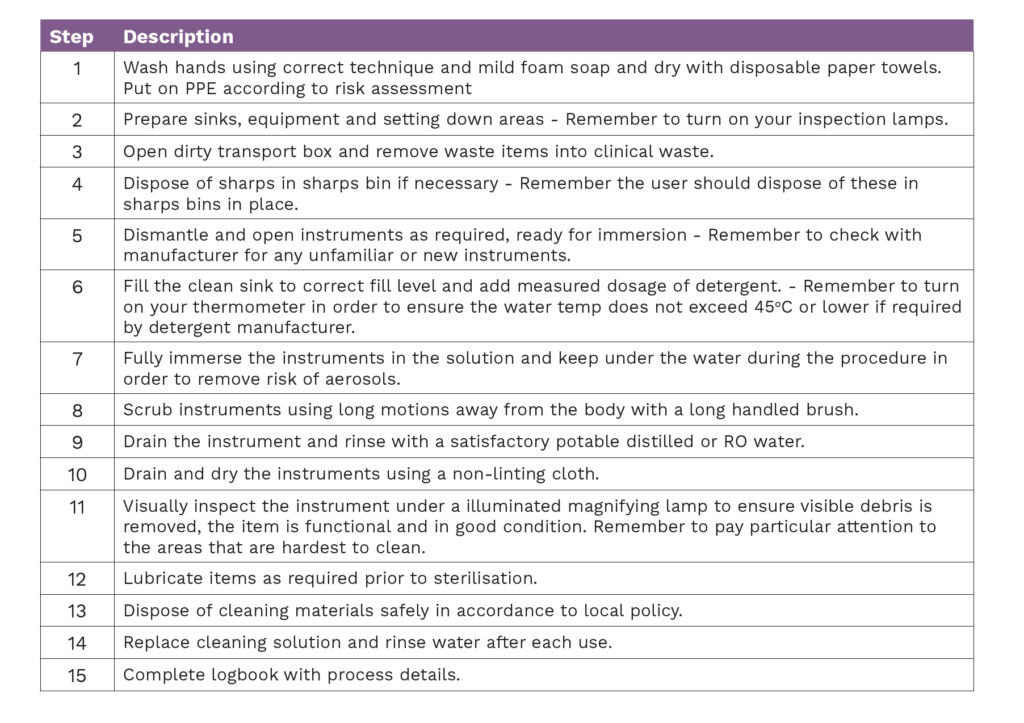
The HTM01-05 offers some very clear guidance on implementing a robust manual cleaning protocol. Below is an example protocol adapted from the guidance. 

Before users are permitted to undertake this protocol, full training in the content and application of the guidance must have taken place and be documented. This procedure carries risks to the user of inoculation and sharps injury, inhalation of aerosol contaminates and coming into contact with contaminated instruments, therefore correct PPE must be worn at all times and risk assessments must have taken place.

Your protocol may exceed the parameters above but must at least meet them in order to be a compliant protocol for HTM01-05. The volume of water to detergent should be measured accurately every session. It is critical that a repeatable manual cleaning action is used by all users to achieve some level of consistency – this could include a “scrubbing time” which dictates how long instruments should be agitated for.

Using a logbook

Your manual cleaning process should be logged in a logbook or using logsheets. 

We have a created a free logsheet that you can use to track your manual cleaning process. Download your copy below.

Manual cleaning buyers guide

At Aura Infection Control we have all the products you need to get the most out of your manual cleaning protocol.

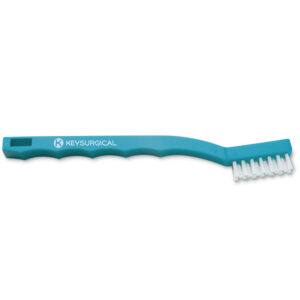
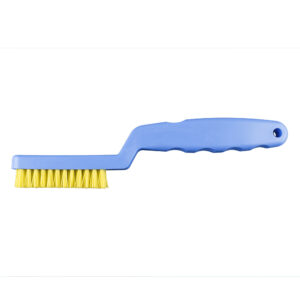
We have a range of Manual Cleaning brushes. Our brushes are fit for purpose and specific for instrument reprocessing. Most of our brushes can also be reused and reprocessed, but be sure to replace if the bristles become frayed.

The QWS Water Proof Thermometer is a robust and durable thermometer for use in manual cleaning to ensure the correct temperature is achieved. Using the suction cups, the thermometer can easily be attached to your manual cleaning sink and will provide accurate temperature readings every second. Provided with a certificate of calibration and UKAS accredited. 

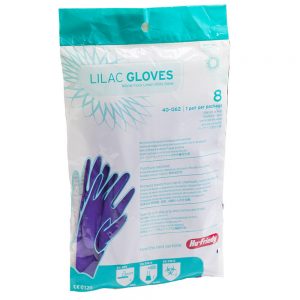
Lilac Autoclavable Manual Cleaning Gloves are a fantastic choice for heavy-duty gloves for all uses in a decontamination room and are especially suited for manual cleaning.  Featuring a moulded texture to improve tactile feel and grip, these gloves are ideal for manual cleaning being both puncture and chemical resistant. In addition, the gloves can be autoclaved 5 times, giving you superior economy.

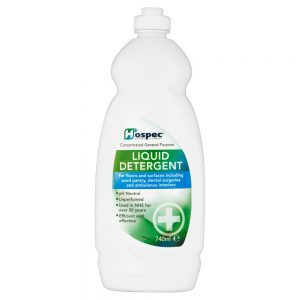
Hospec pH Neutral Detergent is a fit-for-purpose detergent, specifically designed for the cleaning of reusable dental and surgical instruments. Hospec Detergent can also be for a variety of different applications in practice. A fit for purpose and professional product, at a very economical price.

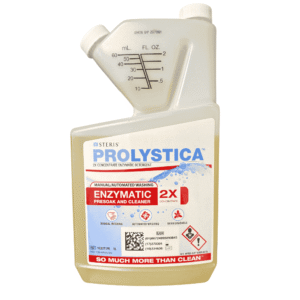
Prolystica Enzymatic Cleaner is the premium choice for manual cleaning. It provides superior results against nature’s toughest soils, flexible and fast-acting. The bottle also has a built-in dosage system, allowing for easy and accurate measuring of the detergent

Subscribe to our newsletter

The latest infection control updates, special offers and a lot more!

More News

Handpiece Care

How Dental Handpieces Become Contaminated

Dental Handpieces are a critical tool used in routine and complex dental treatments. Inside the head of a high-speed handpiece, a turbine the size of
The Dental Decontamination Cycle Cleaning
Decontamination Cycle

The Dental Decontamination Cycle – Cleaning

In the dental decontamination cycle, cleaning is the critical, underpinning step. Instruments that haven’t been thoroughly cleaned cannot be reliably sterilised — organic soil and

Looking for infection control solution advice?

drop us a line To Find Out More