
Uncategorised
The Decontamination Cycle – Disinfection
In the dental decontamination cycle, disinfection is a bridging step between cleaning and sterilisation. It is commonly misunderstood and often conflated with cleaning – they
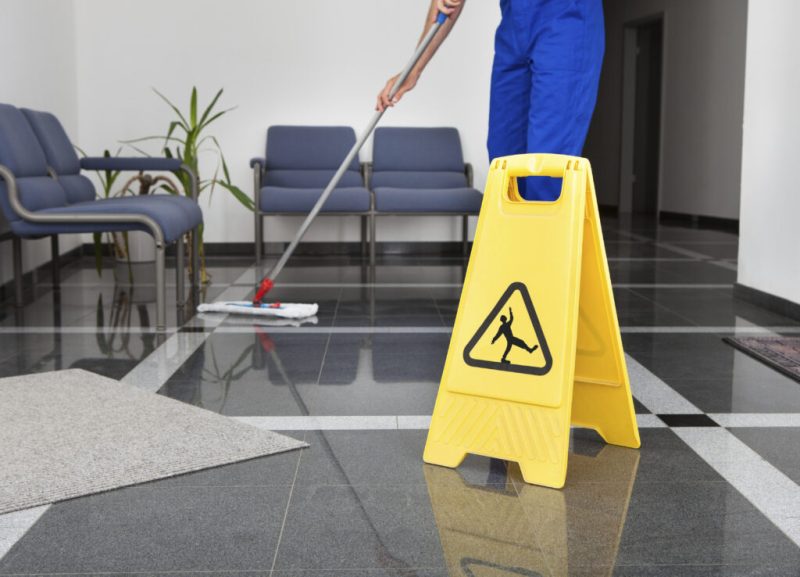
Since publication some time ago, these standards have been a source of great confusion and at times conflict. Messages of crisis compliance, dates and audits have put some practices into a spin to ensure they stay the right side of the CQC and NHS.
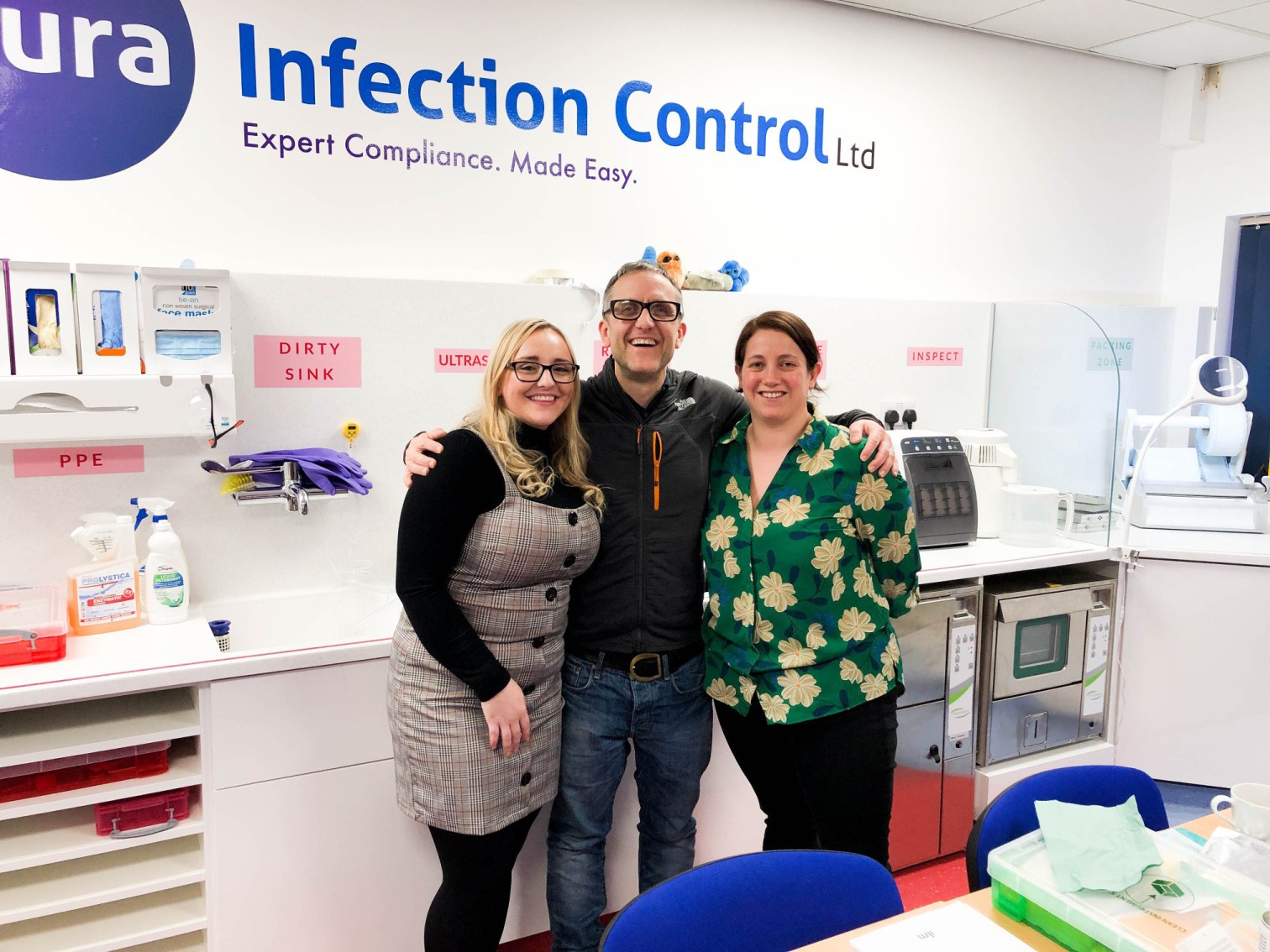
Managing Director of Aura – Laura Edgar – had the pleasure of watching a Lecture by Emma Brooks, Co-author of the standards, and meeting her afterwards for some specific discussion on the application of the standards in Dental settings.
The standards have been designed and written with acute settings in mind – hospital departments, surgical suites and in -patient areas. The language is of patient commodes, food delivery trays and medical equipment that just doesn’t exist in dental settings. This in itself meant it was pretty much ignored until the middle of 2022 when looming deadlines for compliance were being banded about and practices started to panic they had missed something.
So first things first – these standards are NOT mandatory for Primary Care – straight from the horse’s mouth Emma Brooks confirmed they are not mandated for Dental Practices even those with a NHS contract. So in essence unless your dental department is within a hospital setting you can turn off the alarm bells! The standards represent good practice, quantifying risks and cleaning activities and giving an idea of how to demonstrate quality management systems in your environmental cleaning that takes it from a tick list or cleaning check list to a more robust system. However, dropping everything to get ready for a 4th November deadline is not necessary or expected by the NHS or CQC (as confirmed by John Milnes in his recent lectures).
The documents, appendix and templates were not designed for dental settings. The standards in there current form are for acute care and hospital settings. Emma confirmed to me that a dental specific version is in development as it has been for GP surgeries. This will strip out unnecessary areas, categories, language, elements and will make the standard useable. This has already been started for GP surgeries and Emma has committed to me that the same will be done for Dental.
Importantly, Emma confirmed this will be done with consultation of the BDA and practices as well as key stakeholders. This is important as it means that rather then being given a template and told to follow it , as an industry we can be involved in its translation from acute to dental. Be sure to watch our for this process, tipped to start in 2023, and get involved if you get the chance. The date for publication was less clear, end of 2023 even as far as 2024 before we get specific usable templates was Emma’s thoughts with Auditing not expected to start until after this.
Finally, we discussed training and how the document while does include some written summary of the basics, fails to address the skills gap that may exist and to get a better cleaning outcome, we need to improve the training and input into those who are expected to do it.
Currently the training is locked behind an NHS log in but Emma confirmed plans are in place to open up access to the videos and posters that have been designed to support training our domestic partners, external companies and clinical teams who undertake this important work.
Training does start with the basics – colour coding, product contact time and following manufactures instructions, product efficacy and suitability for the job.
This is training this is available within IPC Training such as Aura’s ECPD in Infection Control. Check your training records for your teams – when was the last time this was done – get booked on today.
For now, if you have started on your NSHCC journey then by all means keep going, but turn down the heat and look at the training piece before you barrel into auditing.
If you haven’t – don’t stop but don’t panic!
Consider your current checklists, do you have a clear list of everything in your practice that requires cleaning (elements), the risks associated with the procedures that are carried out near those items (FR categories), when each item needs to be cleaned and to what standard ( Outcomes) and who is responsible for doing it ( Responsible person). Get the guidance and read it, look at the templates and consider what changes you would make to allow it to be used in practice – this will be valuable feedback.
Then consider auditing – can you use technology to help you start this process and check compliance so you can take a tick box exercise into something meaningful. We have UV markers available that can be used to track cleaning efficacy and compliance visually. There will be log books available and software that can help – but bear in mind these have been designed with the acute settings and interpreted for dental without sight of the paired down dental guidance.
Emma’s final point was to advise that a blended approach for primary care may be the route to take, rather than trying to break down each room in micro detail looking at cleaning your practice more holistically.
In the dental decontamination cycle, disinfection is a bridging step between cleaning and sterilisation. It is commonly misunderstood and often conflated with cleaning – they
Dental Handpieces are a critical tool used in routine and complex dental treatments. Inside the head of a high-speed handpiece, a turbine the size of