Uncategorised
Introducing Compliance Club Digital
If you’re a Compliance Club member, you already know the drill: complete your audit, send us your results, and wait for your certificate to land
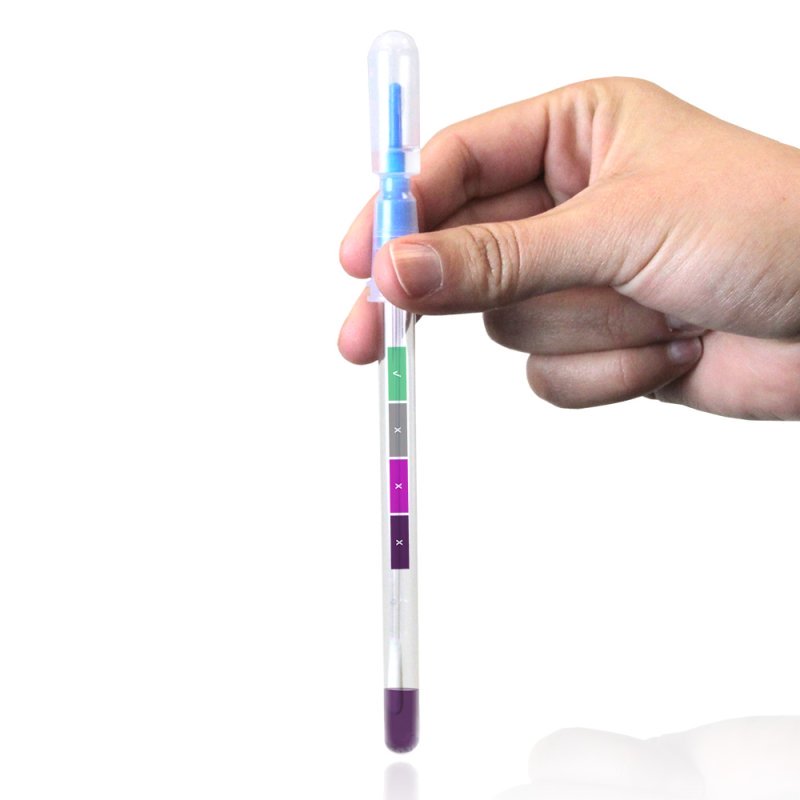
The residual protein test is a weekly validation test performed on both ultrasonic baths and washer-disinfectors. It confirms that these machines are effectively removing protein residues, which are invisible to the naked eye but can carry infectious pathogens.
In this instalment of our Validation Deep-Dive series, we will take a closer look at the residual protein tests, our top tips for using protein tests and what can cause failures.
The residual protein test is used to detect microscopic traces of protein that may remain on instruments after the cleaning process. In dentistry, this test is particularly important for confirming the effectiveness of ultrasonic baths and washer-disinfectors.
Even if instruments appear clean, residual proteins may still be present. These residues can harbour harmful microorganisms, and their presence prevents effective sterilisation.
The HTM01-05 guidance document advises that the protein test is performed weekly on both ultrasonic baths and washer disinfectors. Always check the manufactuers instructions of your equipment as they may provide specfic guidance for validation testing.
There are several possible reasons a residual protein test might fail. You should check your process parameters and perform the test again. Reasons for a failure can include:
False Positive – A false positive can happen for a few reasons. Insufficient rinsing can leave detergent residues on the instruments, which can interfere with the protein test.
Incorrect loading – Overfilling machines or stacking instruments too tightly can block the cleaning action. Hinged instruments like forceps must be fully opened during cleaning.
Dirty solution – The solution in ultrasonic baths can become contaminated throughout the day. Change the solution when it becomes visibly soiled, and always at the end of each clinical session.
Improper detergent use – Ensure detergent is within its expiration date, properly dosed, and mixed according to manufacturer guidelines.
Blocked spray arms – In washer-disinfectors, blocked spray arms can prevent proper cleaning. Inspect and clean them daily to ensure water and detergent reach all instrument surfaces.
Incorrect handling of the protein test – When collecting a sample, make sure to use aseptic techniques. Do not touch the swab or the inside of the sampling device with fingers.
Faulty equipment – If all procedural elements are correct but the test still fails, the issue may lie with a mechanical component, such as a defective transducer. In such cases, take the machine out of use and contact the manufacturer or an engineer for inspection.
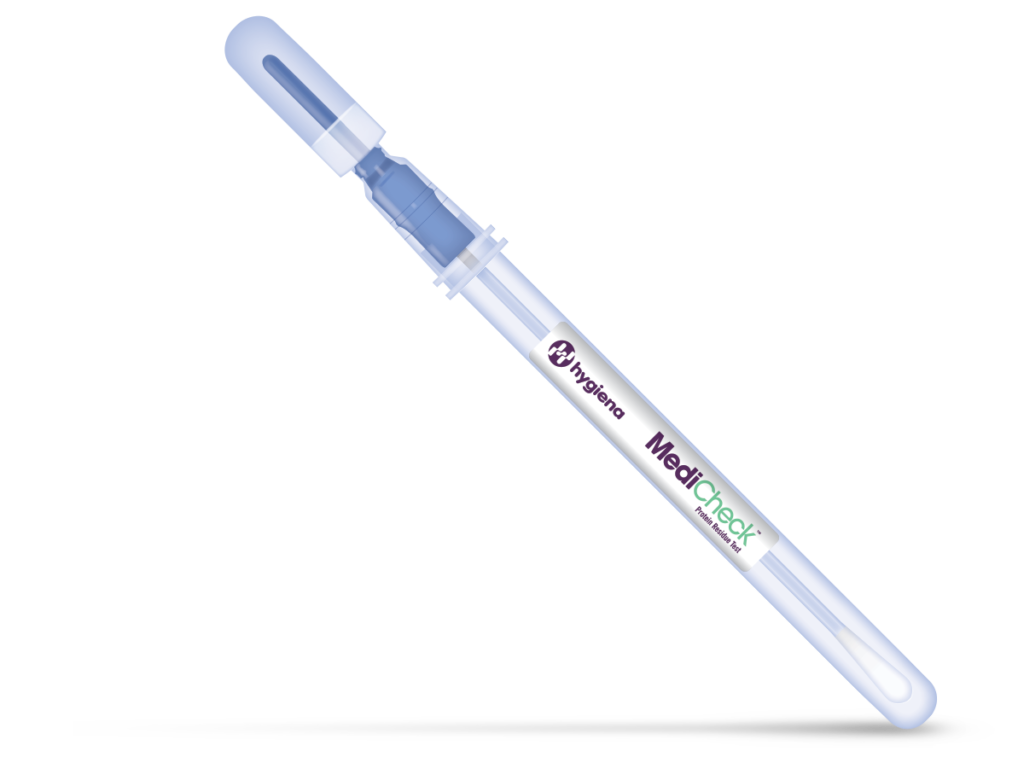
Our recommended protein tester is the MediCheck Residual Protein Test. This test is a quick and easy way to verify the cleanliness of Ultrasonics, Washer-Disinfectors, dental tools, and surgical equipment in support of infection prevention and control.
MediCheck Residual Protein Test detects any protein residues left on a surface after cleaning. By simply swabbing the area and activating the device, you release a reagent that turns colour, providing a qualitative and semi-quantitative result of the protein levels on the surface: green means clean and purple means re-clean. The more protein present, the quicker the colour change to purple and the darker the colour.
MediCheck quickly validates surface hygiene, allowing immediate corrective action to be taken when necessary.
Routine residual protein testing plays a vital role in maintaining high standards of decontamination. By understanding how the test works and recognising common failure causes, dental professionals can ensure patient safety and regulatory compliance with confidence.
If you’re a Compliance Club member, you already know the drill: complete your audit, send us your results, and wait for your certificate to land

In the dental decontamination cycle, disinfection is a bridging step between cleaning and sterilisation. It is commonly misunderstood and often conflated with cleaning – they