
Uncategorised
The Decontamination Cycle – Disinfection
In the dental decontamination cycle, disinfection is a bridging step between cleaning and sterilisation. It is commonly misunderstood and often conflated with cleaning – they
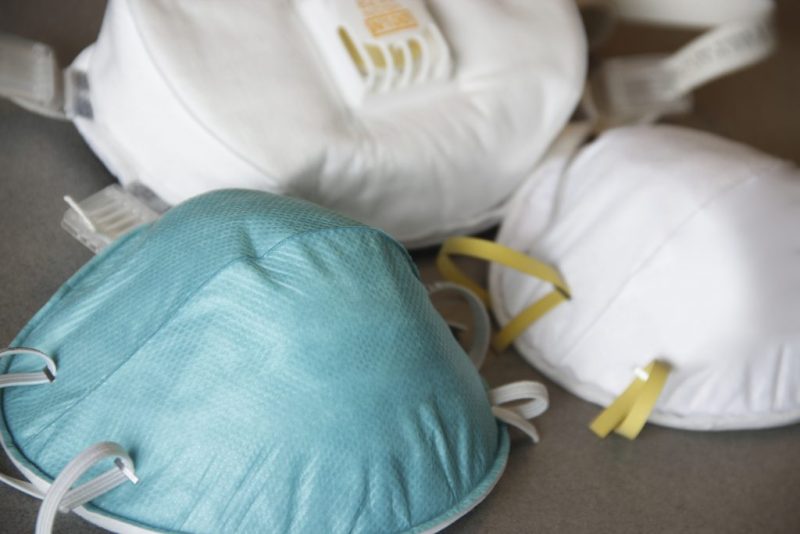
Face Fit Testing is designed to protect workers from harmful chemicals and dust, which can account for up to 13,000 deaths each year. These deaths include work-related lung disease and cancer, which Respiratory Protective Equipment (RPE) has been designed to protect against.
However recent research indicates that up to 50% of all RPE does not offer the wearer the level of protection assumed, meaning that people could be falling ill and dying for something as simple as not carrying out a face fit test.
A tight-fitting facepiece is a full-face mask, SCBA, Gas masks, a half mask, or a filtering facepiece (commonly referred to as a disposable mask). Fit testing is a method of checking that a tight-fitting facepiece matches the wearer’s facial features and seals adequately to their face.
Dental practices must now use at a minimum an FFP2 face mask for AGPs. This article will go over why the face fit test is essential.
Where respiratory protective equipment (RPE) is used as a control measure under Health and Safety Legislation, it is vital that the selected RPE is adequate and suitable. To ensure that the selected RPE has the potential to provide adequate protection for individual wearers, the ACoPs supporting the Control of Substances Hazardous to Health, the Control of Asbestos Regulations and the Control of Lead at Work Regulations stipulate that tight-fitting RPE must be fit tested as part of the selection process.
Of the two face-fit test methods available, qualitative, and quantitative, the more meaningful one is the quantitative test method, which provides a numerical measure of fit, called a ‘fit factor’. The qualitative test is extremely subjective in nature and is subject to so many variables and potential interference as to be almost meaningless and indeed open to abuse. It works through the wearer not being able to taste the agent. Both though are legally allowed to be carried out by someone who has been competently trained.
A face fit test requires the wearer to wear the mask through a series of seven consecutive exercises in as close to work-related conditions as possible. These include normal breathing, deep breathing, head side to side, head up and down, speaking, bending over and finally back to normal breathing. If at any point through the test you fail, then you would need to start again from the start. This is almost instantly during a quantitative test but for qualitative you need to wait for the wearer to not be able to taste the agent.
You will also be shown how to don and doff the mask correctly and how to maintain your RPE correctly to make sure it always works efficiently to provide the necessary protection.
During each of the seven exercises on a quantitative face fit test you need to score a fit factor of above 100 (half face) or 2000 (full face) on each exercise with FFP3 filtration. If the mask is an FFP 1 or 2 is used, then a N95 companion needs to be used on a portacount machine. For a qualitative test it is all dependant on whether the wearer tastes the solution during testing. If they don’t they pass and if they do they fail.
On failure of a test then time should be taken to make adjustments to the mask to check for secure fitting unless there is an obvious reason for failure such as coughing, sneezing or even that they suddenly fiddled with the mask! Qualitative testing requires time for the wearer to lose the taste of the solution before continuing whilst quantitative allows for almost instant re-testing after any adjustments are made if necessary. If they fail twice, then you should look to use an alternative mask.
We’ve teamed up with Latus Health to offer fit testing to dental practices. Latus have a wealth of experience in occupational health and fit testing and have been supporting many dental practices with fit testing since the resumption of general dentistry.
Together we are offering 10% off face fit testing using the code AURA10. For more information on getting your practice Face Fit Tested, get in touch with us below.
Latus Health supported us with the Mask Fit Testing requirements at our busy Dental Clinics. From our first contact with Oliver through to our training with Andrew, we felt supported, in control and that our business needs were understood. The standard of customer service and the quality of the training were exemplary and the training was designed and delivered around our business and delivered at a time that suited us. We are very happy to recommend this friendly and efficient company to all our colleagues.
Deborah Parker
In the dental decontamination cycle, disinfection is a bridging step between cleaning and sterilisation. It is commonly misunderstood and often conflated with cleaning – they
Dental Handpieces are a critical tool used in routine and complex dental treatments. Inside the head of a high-speed handpiece, a turbine the size of