

Uncategorised
The Decontamination Cycle – Disinfection
In the dental decontamination cycle, disinfection is a bridging step between cleaning and sterilisation. It is commonly misunderstood and often conflated with cleaning – they
Hand hygiene is crucial in preventing the spread of infection. It provides protection against the transmission of pathogens and protects the welfare of staff and patients.
Dental practices have a duty of care to ensure hand hygiene is managed in accordance with current guidelines. The HTM01-05 provides guidance for dental practices to help them implement effective hand hygiene practices.
May 5th is World Hand Hygiene Day, an annual event which aims to raise awareness about the importance of proper handwashing to prevent the spread of illness and infections. It is with good reason that hand hygiene is promoted, according to the World Health Organisation, appropriate hand washing prevents up to 50% of avoidable infections acquired during healthcare delivery. In addition:
The CQC advises that hand hygiene be practised at the following key stages to minimise the risk of infection.
As part of the essential quality requirements, practices must have the correct paperwork including a hand washing policy, as part of your infection control policy, which details the practice protocols; evidence of a hand hygiene audit with results, remedial actions or changes if required; and evidence of training having taken place in the practice with all staff members covered, including a hand hygiene induction for new staff.
To move towards best practice, soap and sanitiser should be dispensed touch free and be located above or near the hand wash sinks. Paper towel dispensers for drying should also be wall mounted.
Taps should either be touch free or lever operated. In addition the tap should not be located directly above the drainage as this can cause splashback if the drain is directly underneath the tap.
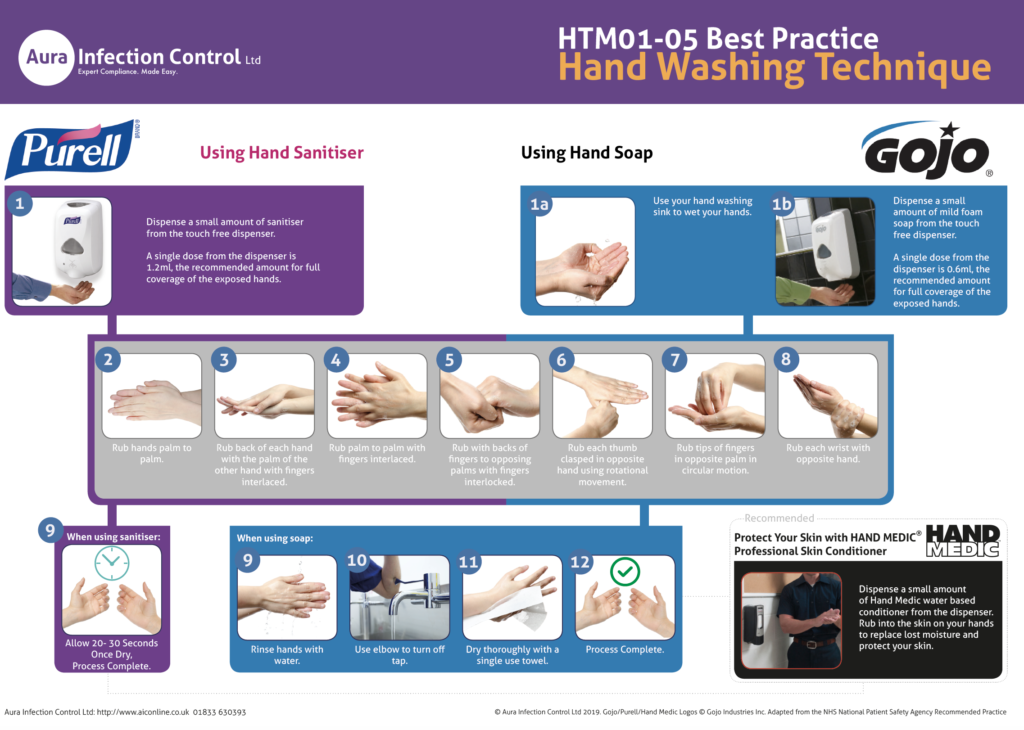
Posters displaying the correct hand washing technique should also be placed near hand washing facilities. We have a free handwashing poster available for this purpose, download your copy below.
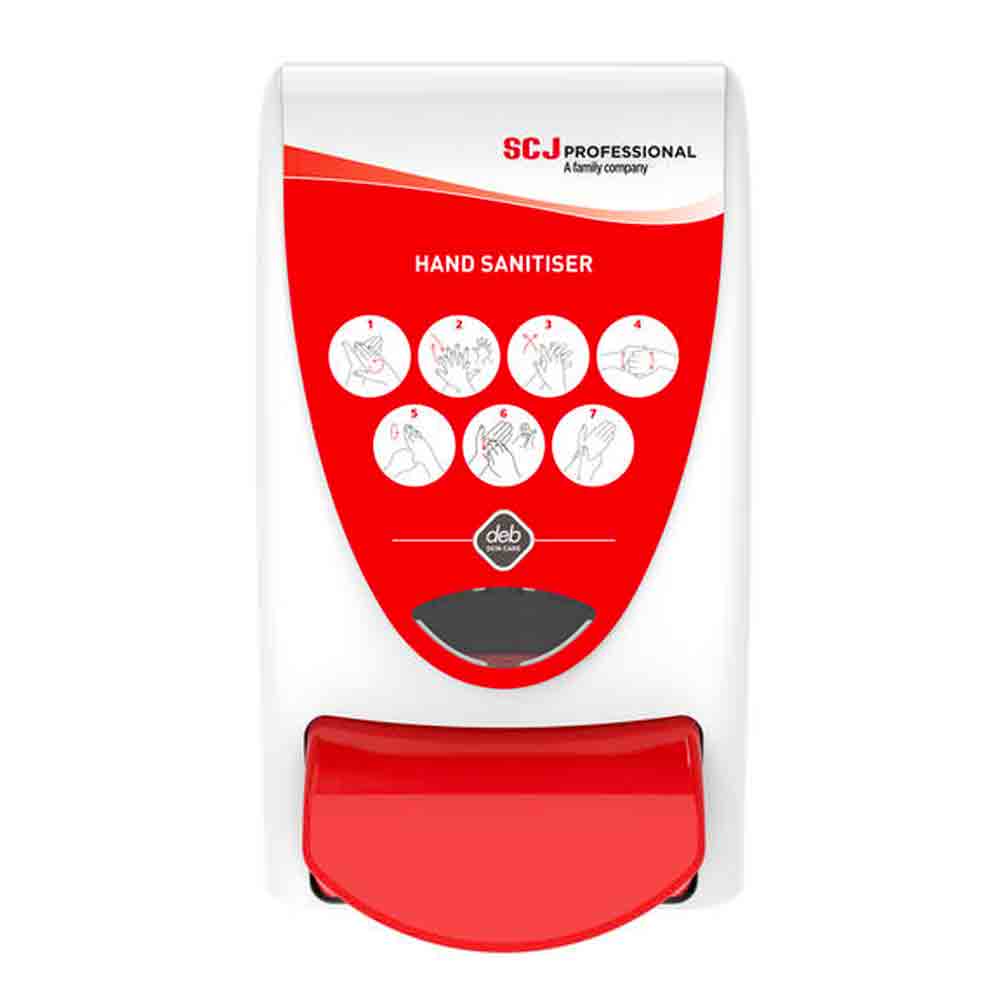
Frequent hand washing and use of hand sanitiser can cause the skin to become dry and damaged. A high quality moisturiser should be available to protect the skins natural barrier and prevent irritation.
We stock everything you need for effective hand hygiene in practice, from moisturisers to sanitiser and hand soap. View our full range below.
In the dental decontamination cycle, disinfection is a bridging step between cleaning and sterilisation. It is commonly misunderstood and often conflated with cleaning – they
Dental Handpieces are a critical tool used in routine and complex dental treatments. Inside the head of a high-speed handpiece, a turbine the size of