Surface cleaning and disinfection is a vital part of a dental practices’ infection control procedures. Surfaces and their ability to transmit infections is well recognised, and ineffective cleaning is a known contributor to hospital acquired infections (HCAIs).
In this article we will go through the key terms, what the guidance such as the HTM01-05 advises and the correct technique for effectively cleaning surfaces.
The difference between cleaning and disinfection
Cleaning and disinfection are often used interchangeably, however they are two distinct actions.
Cleaning refers to the physical removal of visible contamination such as dirt, dust, debris and organic matter such as blood or other body fluids. Cleaning is typically done with water, soap or a detergent.
Disinfection is the killing or deactivation of microorganisms using a chemical agent. A surface must be clean of visible contamination before disinfection, as a dirty surface can inhibit the effectiveness of the disinfectant.
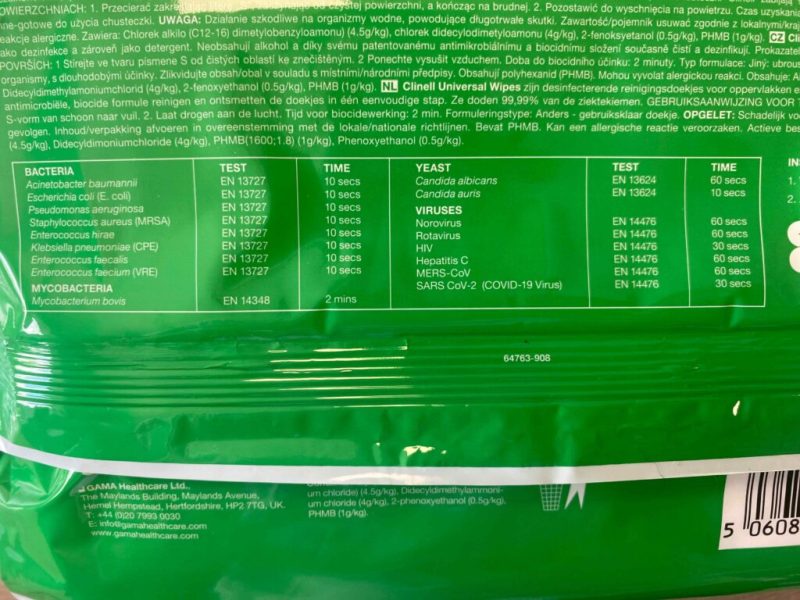
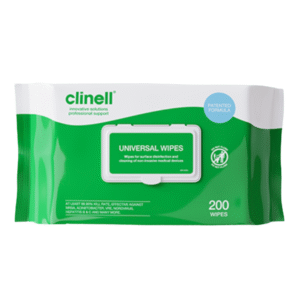
Products such as Clinell Universal Wipes are dual purpose and both clean and disinfect in one step, eliminating the need for two products. It is important to check the products you are using to ensure they are suitable for your needs. For example a detergent only wipe will be effective for cleaning, but will not disinfect the surface, a separate disinfectant would be required in this instance.
Contact times explained
Contact time is how long a disinfectant must stay wet on a surface for it to effectively kill or deactivate microorganisms. The required contact time can vary depending on the type of microorganisms (bacteria, viruses, fungi, spores).
Always check the product you use for the recommended contact times and ensure they are appropriate for your needs.
Cleaning schedules
All practices should have a local protocol that outlines cleaning schedules for surfaces and rooms. Records should be kept as per the code of practice, this can be in your practices IPC policy or in a logbook.
Surface and floor design considerations
Clinical and decontamination work surfaces and flooring must be easily cleanable and impervious. Carpet should not be used. Surfaces should be jointless as much as possible, where joints are present, they must be sealed or welded.
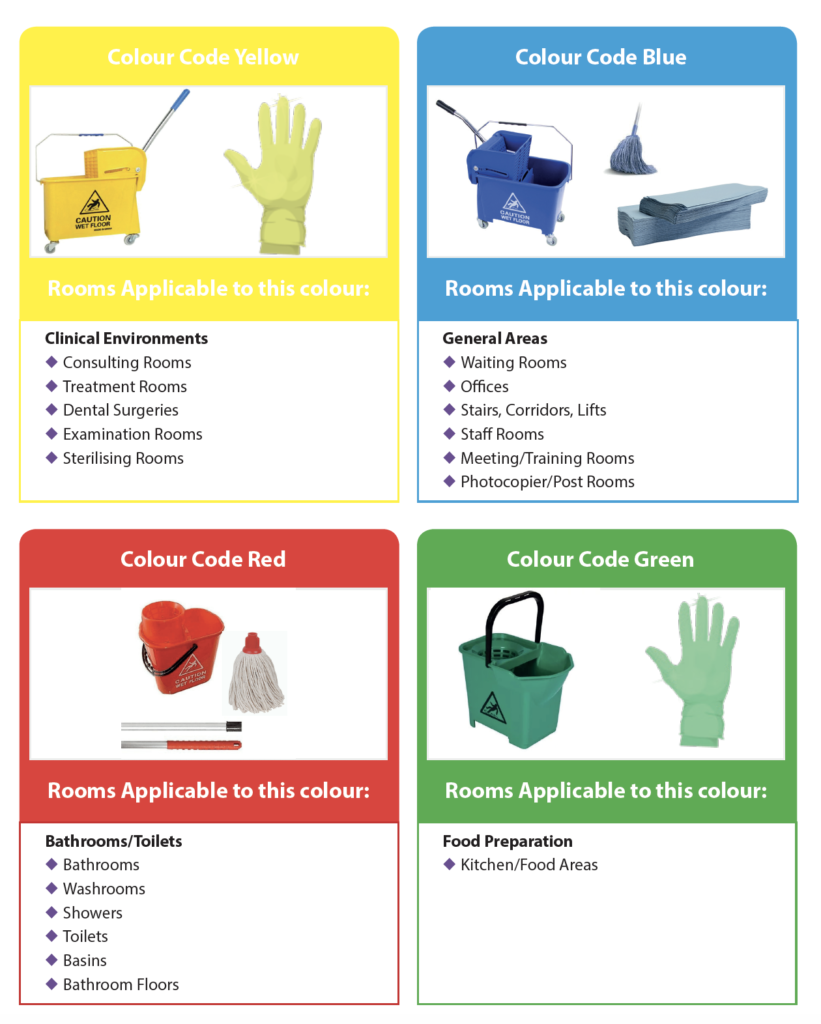
For floor and surface cleaning, practices apply the national colour coding scheme as shown below to help reduce cross contamination of cleaning materials.
Cleaning schedule for treatment areas
The HTM01-05 guidance states that patient treatment areas should be cleaned after every session using disposable cloths or clean microfibre materials.
In addition the following areas should be cleaned after each patient:
- Local work surfaces.
- Dental chairs.
- Curing lamps.
- Inspection lights and handles.
- Hand controls including replacement of covers.
- Trolleys/delivery units.
- Spittoons.
- Aspirators.
- X-ray units.
After each session the following should be cleaned.
• Taps.
• Drainage points.
• Splashbacks.
• Sinks.
Other exposed areas such as cupboard doors should be cleaned daily, even if they are far from the patient.
Disposable covers can be a useful addition but are not a substitute for cleaning.
Other surfaces that should be cleaned weekly include window blinds, accessible ventilation fittings, other accessible surfaces such as shelving and shelves in cupboards, windows internal glazing, radiators including cover and PPE Dispensers.
Other considerations
Spray bottles can be used, but are not recommended. If you are using spray bottles, do not spray directly onto a surface as this can create an aerosol, instead spray directly into a cloth and wipe. Never refill spray bottles with solution as bacteria can accumulate in the bottle and spray mechanism.
Alcohol based wipes should be used with caution. Using alcohol wipes on contaminated surfaces can fix proteins to the surface. As such surfaces should be cleaned of all visible contamination before alcohol wipes are used.
Posters displayed in practice should be laminated or made of a wipeable material.
Auditing surface cleaning and disinfection
Surface cleaning should be observed and audited to ensure effective and consistent technique. This auditing should be logged.
There are several tools available to audit and assess the effectiveness of surface cleaning. These include using a ATP monitoring or a UV system.
Surface cleaning solutions
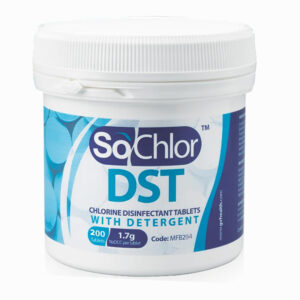
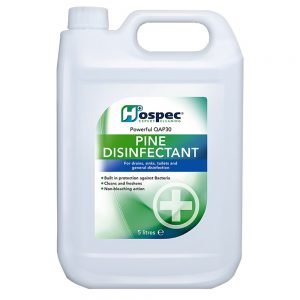
Aura stock a range of cleaning and disinfection solutions from top brands such as Clinell and Hospec, all products are highly effective and fit for purpose.
If you require any help with surface cleaning or any other area of decontamination, why not book a free 30 minute decontamination review with one of our advisors? Our advisors will assess your protocols and procedures and provide feedback and suggest areas of improvement.
-

SoChlor TAB Chlorine Disinfectant Tablets
£21.72 – £23.39Price range: £21.72 through £23.39 Select options This product has multiple variants. The options may be chosen on the product page -

SoChlor DST Chlorine Disinfectant Tablets
£16.59 Add to basket -

Hospec Pine Disinfectant
£8.58 – £10.75Price range: £8.58 through £10.75 Select options This product has multiple variants. The options may be chosen on the product page -

Clinell Universal Wipes
£7.96 – £10.86Price range: £7.96 through £10.86 Select options This product has multiple variants. The options may be chosen on the product page