Dental Autoclave Validation

Share This Post

Sterilisation is the final step of the decontamination process prior to storage or re-use. Sterilisation is achieved by using a steam steriliser, known as an autoclave. Dental practices must perform dental autoclave validation to ensure the autoclave is functioning correctly and instruments are safe for re-use.

Validation of decontamination equipment, including sterilisers is needed at installation, annually and after repairs. This validation should be performed by the manufacturer or service engineer. Periodic validation should be performed in practice, and the HTM01-05 provides an outline of this testing.

Manufacturers instructions

As is the case with ultrasonic cleaner validation and washer disinfector validation, manufacturer’s instructions should always be consulted first. They will specify any additional periodic validation tests required. In the absence of manufacturer instructions, the HTM01-05 periodic recommended testing schedule below should be followed. 

Dental Autoclave Validation

HTM01-05 Recommended Testing Schedule

Test Description Frequency Performed by Autoclave Type
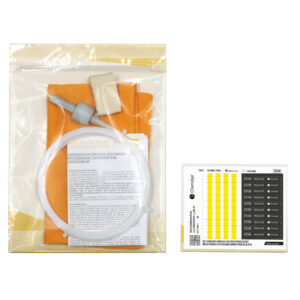
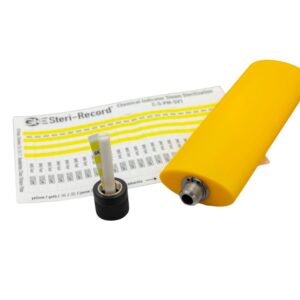
Steam penetration test
Also known as a Helix test. This test evaluates the effectiveness of steam sterilisation for hollow instruments (handpieces).
Daily
User or by delegation, operator.
B, S
Automatic Control Test
A test to ensure the autoclave is reaching the critical sterilisation parameters.
Daily
User or by delegation, operator.
B, S, N
Air leakage test
A test to ensure the autoclave chamber is correctly sealed and no air can enter the autoclave once the sterilisation cycle has begun.
Weekly
User or by delegation, operator.
B, S
Residual air test
A check that air is being removed from the autoclave chamber correctly once the cycle has begun.
Weekly
User or by delegation, operator.
S, N
Thermometric tests
A test to ensure even temperature distribution in the autoclave.
Quarterly or to or to manufacturers’ recommendations.
Competent Person (Decontamination) or Service Engineer
B, S, N
Steam generator overhead cutout test
The cutout test is a safety check that ensures the autoclave turns off if it reaches an extreme temperature. A autoclave that does not cutout poses a safety risk and can damage the autoclave.
Annually
CP(D) or Service Engineer
B, S, N
Thermometric tests. Small load and large load
A test to ensure even temperature distribution in the autoclave.
Annually
CP(D) or Service Engineer
B, S, N
Dryness test. Small load and large load
Test to monitor the effectiveness of the drying phase of the cycle.
Annually
CP(D) or Service Engineer
B, S,

Differences between a B, S and N type autoclave

Several types or classes of autoclaves are on the market and used for sterilisation. It is important to know the difference between these autoclaves, as certain types will require different validation tests.

Type-B Autoclaves – Type-B autoclaves use a vacuum to achieve sterilisation, and they are suitable for reprocessing a wide range of loads including porous loads, hollow instruments such as turbines, pouched instruments and textiles. Type-B autoclaves are the product of choice when it comes to sterilising reusable dental instruments.

Type-N Autoclaves – Type-N autoclaves are for sterilising non-wrapped solid instruments. These autoclaves cannot be used to sterilise textiles, porous loads, hollow items or products in pouches.

Type-S Autoclaves – Type-S covers all other types of autoclaves. Essentially, it is an intermediate class between Type N and Type B autoclaves and the characteristics are not defined by any standards. The manufacturer will specify their performance capabilities.

Frequently Asked Questions

How long should I keep validation and maintenance records?

Records on validation and maintenance should be kept for 2 years.

What should I do if a test fails?

Firstly repeat the test that has failed to confirm the result. If the test fails again, contact a service engineer for assistance.

Do I need to perform a TST test?

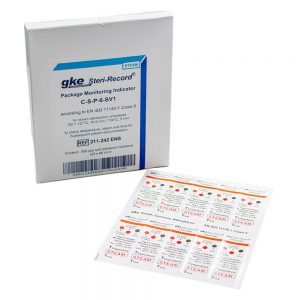
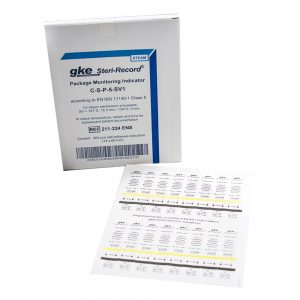
It is good practice to use TST strips as an independent and visual check to sit alongside cycle printouts and ensure the critical parameters (Time, steam, temperature) are being met. Additionally, if your autoclave cannot monitor the critical cycle parameters, TST strips should be used.

Dental Autoclave Validation Products

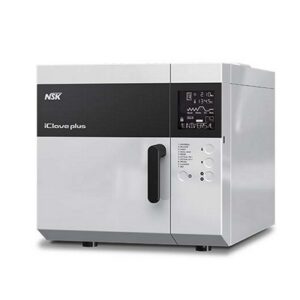
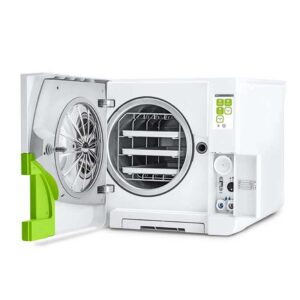
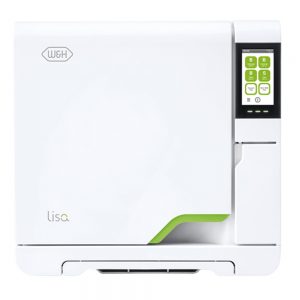
At Aura Infection Control, we have a range of autoclave validation products. In addition, we also supply autoclaves from the leading manufacturers.

Book a free dental decontamination review

Do you need help with validation or any aspect of decontamination? We’re here to help with our dental decontamination review!


Our decontamination reviews are absolutely free of charge and takes just 30 minutes of your time. Our team of friendly and experienced advisors will assess your protocols and practices to ensure your surgery is a safe environment for both patients and staff.

Subscribe to our newsletter

The latest infection control updates, special offers and a lot more!

More News

Uncategorised

Introducing Compliance Club Digital

If you’re a Compliance Club member, you already know the drill: complete your audit, send us your results, and wait for your certificate to land

Uncategorised

The Decontamination Cycle – Disinfection

In the dental decontamination cycle, disinfection is a bridging step between cleaning and sterilisation. It is commonly misunderstood and often conflated with cleaning – they

Looking for infection control solution advice?

drop us a line To Find Out More