
Uncategorised
The Decontamination Cycle – Disinfection
In the dental decontamination cycle, disinfection is a bridging step between cleaning and sterilisation. It is commonly misunderstood and often conflated with cleaning – they
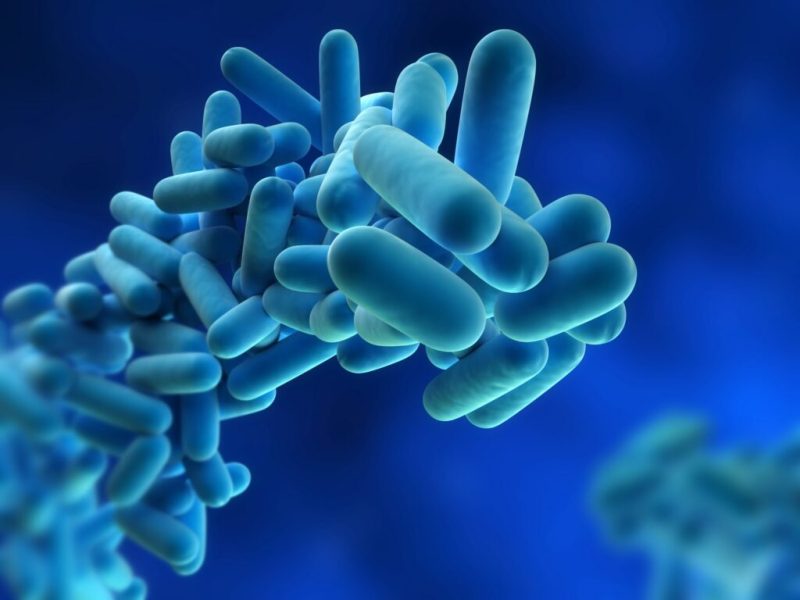
Legionella in dentistry has become an increasing concern, particularly due to the unique design of dental unit waterlines (DUWLs), which can encourage bacterial growth.
Legionella is a naturally occurring bacterium found in water and is commonly present in lakes, rivers, and ponds. In most natural environments, it poses little risk to human health, as it exists in low numbers. However, in dental practices and other human-made water systems, Legionella can multiply and become a serious health hazard if not properly controlled.
Legionella is a significant concern in all healthcare settings, and dentistry presents additional challenges for its control, especially in dental unit waterlines.
Legionnaires’ disease is a form of pneumonia caused by inhaling water droplets (aerosols) contaminated with Legionella bacteria. It can be fatal, especially in vulnerable populations such as the elderly and immunocompromised individuals. A milder form, known as Pontiac fever, causes flu-like symptoms.
Among the many strains of Legionella bacteria, Legionella pneumophila is the most concerning, accounting for the majority of human infections.
Legionella can multiply rapidly in human-made water systems due to several factors:
Temperature
Legionella grows best within a temperature range of 20-45°C. It becomes dormant below 20°C and dies off above 50°C. Water temperatures within this range provide ideal conditions for Legionella proliferation.
Stagnant Water
Stagnation is a key factor in Legionella growth. Moving water discourages biofilm formation and helps replenish disinfectants in the system.
Dead legs—sections of unused pipework—are of particular concern, as they provide zones where bacteria can thrive and where disinfectants may not reach effectively. A Legionella risk assessment should identify any dead legs or dead ends within your dental practice.
Biofilms
Biofilms are layers of microorganisms that form on surfaces in contact with water, creating a protective environment for Legionella. They are commonly found in storage tanks, pipes, and dental unit waterlines. Biofilms must be removed with appropriate products, and systems should be maintained regularly to prevent reformation.
Inadequate Treatment
Many water treatment methods exist, but if they are not consistently and correctly applied—or are absent—Legionella has more opportunities to multiply.
Dental unit waterlines (DUWLs) provide ideal conditions for Legionella and other bacteria due to several factors:
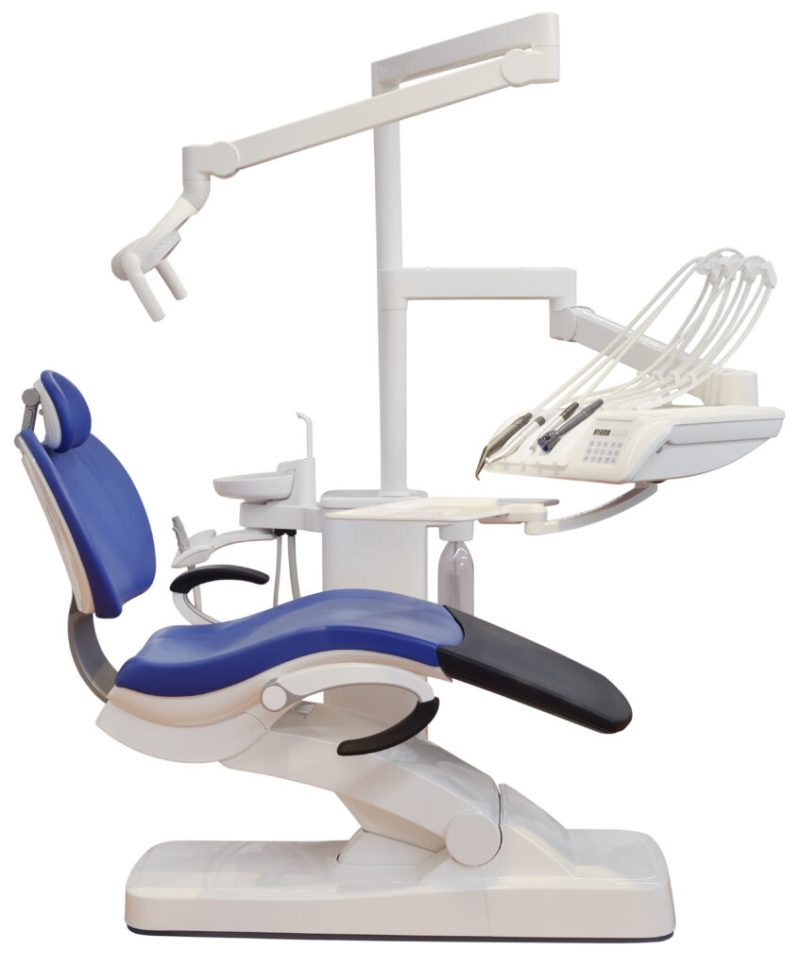
While the design of dental chairs lends itself to bacterial growth, there are effective steps to reduce risk and ensure safe, clean water.
Biocides
Regular use of a biocide prevents bacteria from multiplying. Daily treatment is preferable to weekly treatment, as biofilms can form in DUWLs in a short amount of time
Biofilms can form on dental unit waterline surfaces within days of use, leading to contamination of output water."
O'Donnell MJ, Boyle MA, Russell RJ, Coleman DC. Management of dental unit waterline biofilms in the 21st century. Future Microbiol. 2011 Oct;6(10):1209-26. doi: 10.2217/fmb.11.104. PMID: 22004039.
Alpron is the UK’s leading dental unit waterline treatment. It is clinically proven to be effective against Legionella while remaining harmless to patients.
When used alongside the Biofilm Removal System, we can effectively remove existing contamination and prevents reformation with daily use.
Daily flushing
Keeping water moving in the dental unit is essential. Flush the system for 1 minute in the morning and evening, and for 30 seconds between patients to refresh the Alpron solution. Ensure all lines are flushed. Any dead legs should be removed, as they can harbour biofilm.
Plan for downtime
Ideally, dental unit waterlines should not remain stagnant for more than 48 hours. For periods longer than 48 hours—such as bank holidays—use Bilpron holding solution, which is specifically designed to prevent biofilm formation during downtime of up to 3 months.
Rapid lateral flow testing
Rapid Legionella testing is a useful additional tool for monitoring. Standard Legionella water sampling is typically done via UKAS-accredited laboratory testing, which is expensive and takes 10-14 days for results.
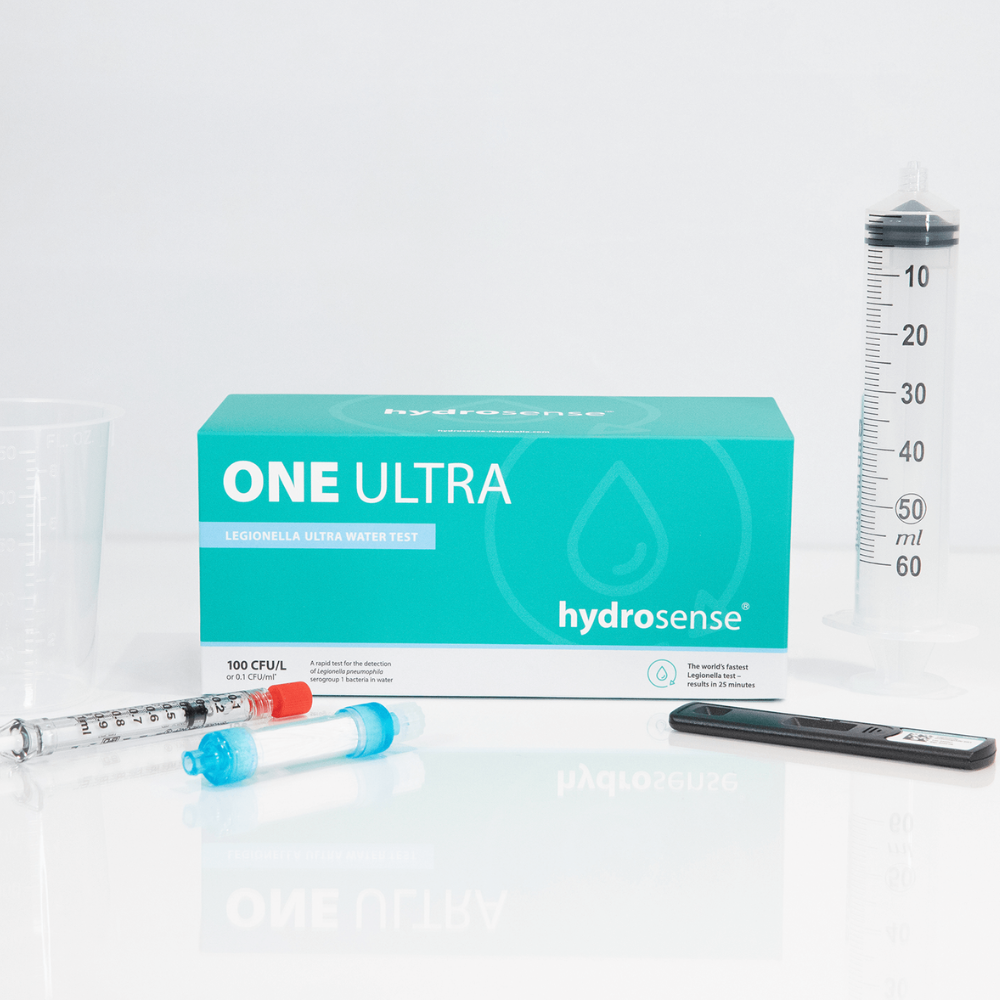
In high-risk environments, speed is critical when managing outbreaks. This is where rapid testing offers a distinct advantage. The HydroSense™ ONE Ultra test detects Legionella pneumophila serogroup 1 in just 25 minutes, allowing immediate action.
While not mandatory, rapid testing systems like HydroSense™ provide dental practices with a faster, more practical way to manage serious Legionella risks—without waiting weeks for lab results.
Legionella poses a real but manageable risk in dental practices, especially given the unique challenges presented by dental unit waterlines. By understanding the conditions that encourage bacterial growth and implementing a robust control plan—including daily biocide treatment, regular flushing, downtime planning, and rapid testing— we can protect both patients and staff. Maintaining safe, clean water isn’t just a compliance requirement; it’s a critical part of delivering high-quality dental care.
In the dental decontamination cycle, disinfection is a bridging step between cleaning and sterilisation. It is commonly misunderstood and often conflated with cleaning – they

Dental Handpieces are a critical tool used in routine and complex dental treatments. Inside the head of a high-speed handpiece, a turbine the size of