Recommissioning Dental Unit Waterlines

Recommissioning Dental Unit Waterlines

Share This Post

With the confirmation dental surgeries can reopen on June 8th, recommissioning dental equipment safely is essential to ensure staff and patients are protected. In this Insight we will look into how we can commence recommissioning of dental unit waterlines.

(In case you missed it we also published an Insight into recommissioning dental decontamination equipment.)

iStock_000034712786_Large

How Biofilms Form

Before we start recommissioning dental unit waterlines , it is important to know how biofilms form in dental units.

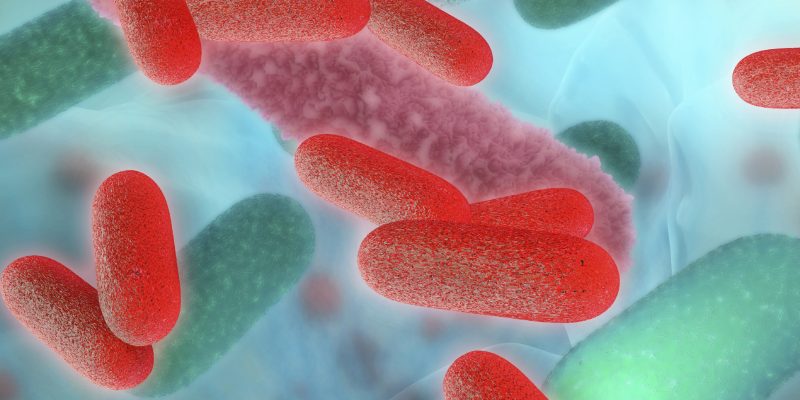
Dental Unit Water Lines can become contaminated when the microorganisms that exist in our water and wider environment colonise the surfaces of the internal tubing. This colonisation happens very quickly during period of stagnation, and Biofilms are able to form and subsequently contaminate water systems with ease. Any Biofilms left untreated may expose patients and staff to pathogens such as Legionella, Pseudomonas and Mycobacterium.

Biofilms can even form when lines have been completely drained down. Air drying lines will still leave a small amount of residual moisture. Combining this with environmental contamination allows biofilms to reform quickly, even in “dry” lines.

When recommissioning dental chairs, you will need to take actions based on how you closed down your chairs.

Recommissioning Dental Unit Waterlines: If you used Bilpron in the lines prior to closure

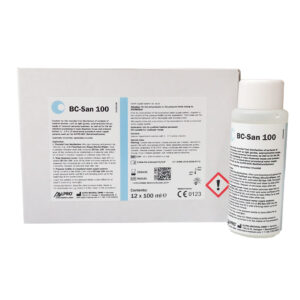
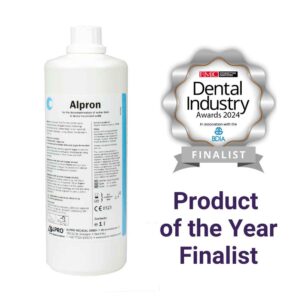
Remove the Bilpron, disinfect your clean water bottle with BC San and flush with fresh Alpron solution (mixed with potable water confirmed with a MPHC Red Sampler). Test your dental unit with a MHPC Red Sampler and ensure your flushing is being completed min 3 times per day on each line until the Sampler Results can be obtained.

Bilpron was designed to prevent Biofilm reforming during periods of downtime, your lines should be as clean as they were prior to closing. However you should always check the water quality of your units once Alpron has been added to ensure the dental unit waterlines are producing drinking quality water.

If you closed your practice and left Alpron solution (1%) in place prior to leaving, or if you removed the bottle prior to leaving the practice, or if you have completed the Alpron Flush procedure:

Remove the Alpron solution and fill with fresh Alpron solution. Test your dental unit water lines with a Red MHPC Sampler. Your units are likely to need a Biofilm Removal Treatment completing.

If you used any other method or procedure before closing down (E.g Air Drying)

You can use the Red MHPC samplers to get an accurate reading on the situation within your dental unit prior to restarting any treatments. Refill your unit with Alpron and use the Sampler test.

The result of the Sampler test will dictate what actions you should take next. A result over 100 c.f.u is a fail and the lines will need to be treated with a Biofilm Removal before they are used on patients.

If you have managed to flush the lines consistently during shutdown we would still recommend testing the lines with a Sampler to ensure they are fit for use.

Testing water quality with MHPC Red Samplers

In all instances it is essential you test the water quality of your unit prior to recommencing treatments. Units that have been sat with no flushing performed or that have been air dried are likely to require treatment. 

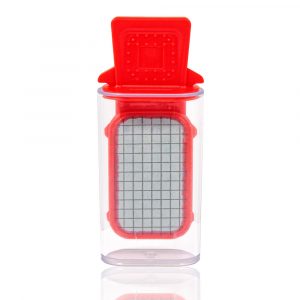
The MHPC Red Sampler test will give you an accurate picture of the level of contamination in the dental unit.

If the Sampler confirms a CFU per ml of less than 100 – Your DUWL is producing drinking quality water. Send in your Sampler Result picture for validation and re certification. Follow the Alpron and Bilpron Protocol to protect your DUWL from Biofilm contamination. Your unit is ready to use.

If the Sampler Result confirms a CFU per ml of over 100 – Your unit may require a Biofilm Removal Treatment. Send in your Sampler Result picture for further advice and support or call 01833 630393. Do not use your unit until a cleaning procedure has been completed.

Sampler tests are a very easy test to perform and interpret. Please see our video on How to perform a Sampler Test.

Aura Infection Control have been at the forefront of dental unit waterline treatment for over 20 years. We hope we can share some of our expertise with you during these difficult times. If you need any further assistance please contact us and we will assist you as much as we can.

Subscribe to our newsletter

The latest infection control updates, special offers and a lot more!

More News

Uncategorised

The Decontamination Cycle – Disinfection

In the dental decontamination cycle, disinfection is a bridging step between cleaning and sterilisation. It is commonly misunderstood and often conflated with cleaning – they

Handpiece Care

How Dental Handpieces Become Contaminated

Dental Handpieces are a critical tool used in routine and complex dental treatments. Inside the head of a high-speed handpiece, a turbine the size of

Looking for infection control solution advice?

drop us a line To Find Out More